

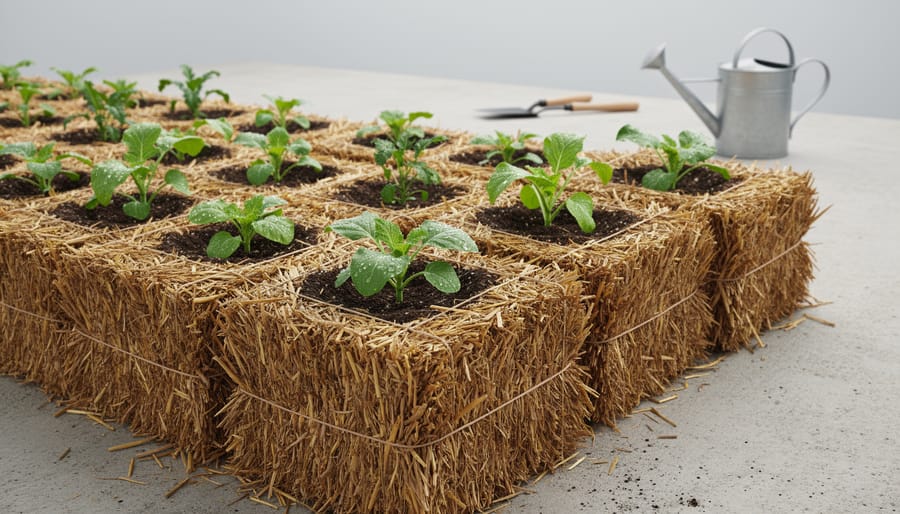
A single bale typically supports one full growing season before decomposing too much for structural use.
Read More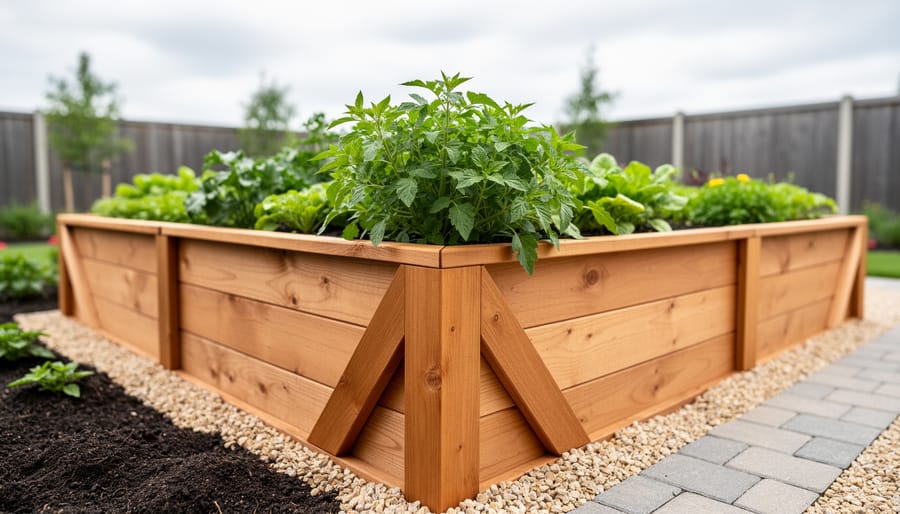
Building tall raised beds (24 to 36 inches high) requires reinforced framing, pressure-treated lumber or composite materials, and strategic corner bracing to prevent soil pressure from bowing the walls. Most DIY gardeners can complete a basic 4×8-foot tall bed in a weekend with intermediate carpentry skills, a drill, and a saw.
The appeal is straightforward: tall raised beds eliminate the back-breaking bend. For gardeners managing mobility challenges, recovering from injury, or simply tired of kneeling, these elevated beds transform gardening from a physical ordeal into a comfortable activity you can sustain for hours. The …
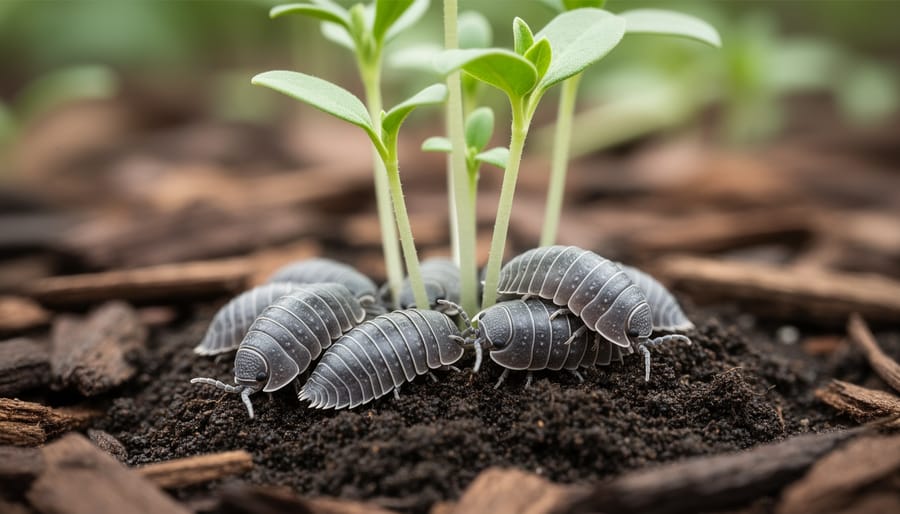
Pill bugs munching through your garden aren’t actually insects at all, and controlling them takes a three-pronged approach: removing excess moisture and organic debris, setting up simple traps, and creating physical barriers around vulnerable seedlings. Most infestations resolve within two to three weeks once you interrupt their food sources and habitat, making this a highly manageable problem even for first-time gardeners.
Here’s what catches most people by surprise: pill bugs, those gray armored creatures that roll into tight balls when disturbed, are actually land-dwelling crustaceans more closely related to shrimp …
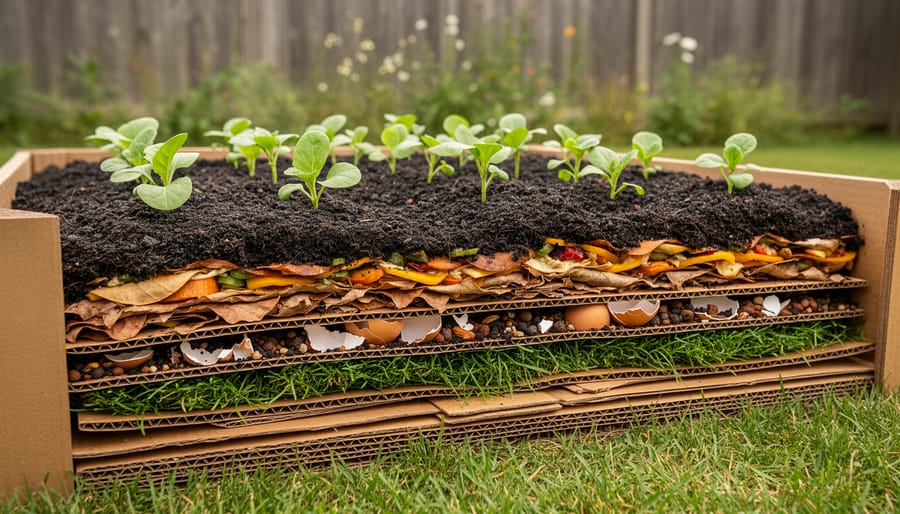
Lasagna gardening transforms yard waste and everyday organic materials into a thriving, no-dig garden bed using the same layering principle you’d use to make the pasta dish. You stack alternating layers of carbon-rich “brown” materials like cardboard and leaves with nitrogen-rich “green” materials such as grass clippings and kitchen scraps directly on top of grass or weeds. Over time, typically three to six months, these layers decompose into nutrient-dense soil that requires no tilling, minimal weeding, and far less water than traditional garden beds.
The method works because the layered materials …
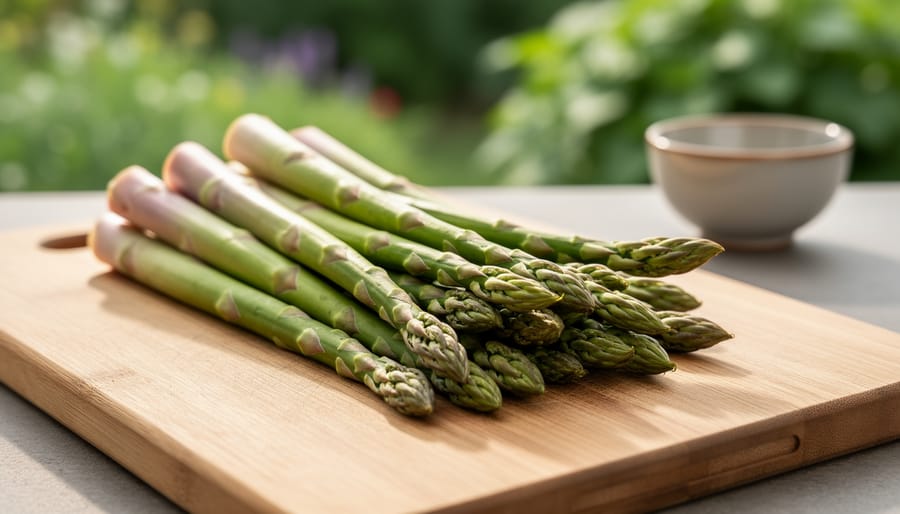
Preparing asparagus for cooking takes just four simple steps: select firm spears with tight tips, rinse them under cold water, snap off the woody ends, and peel thick stalks if needed. The entire process requires less than five minutes and transforms garden-fresh or store-bought asparagus into ready-to-cook spears that will deliver tender, flavorful results no matter which cooking method you choose.
If you’ve been growing asparagus in your raised garden bed or just picked up a bundle at the market, proper preparation makes all the …
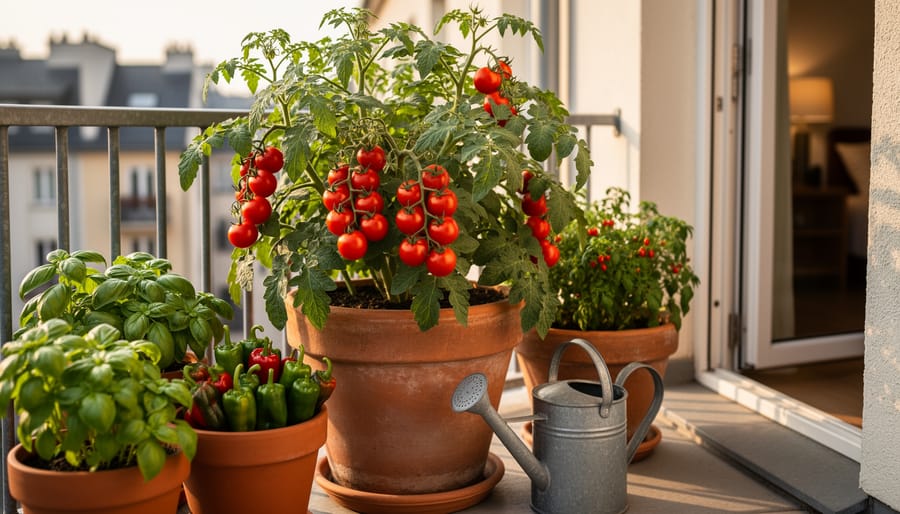
You don’t need a yard to grow your own food and flowers. Container gardening lets you transform a balcony, patio, or even a sunny doorstep into a productive growing space, and this year’s explosion of beginner workshops proves thousands of people are discovering just how simple it really is.
The timing couldn’t be better. Rising grocery costs and a renewed interest in knowing where our food comes from have pushed container gardening into the spotlight throughout 2026. But here’s what makes it perfect for beginners: you control everything. The soil quality, drainage, sunlight exposure, and watering schedule …
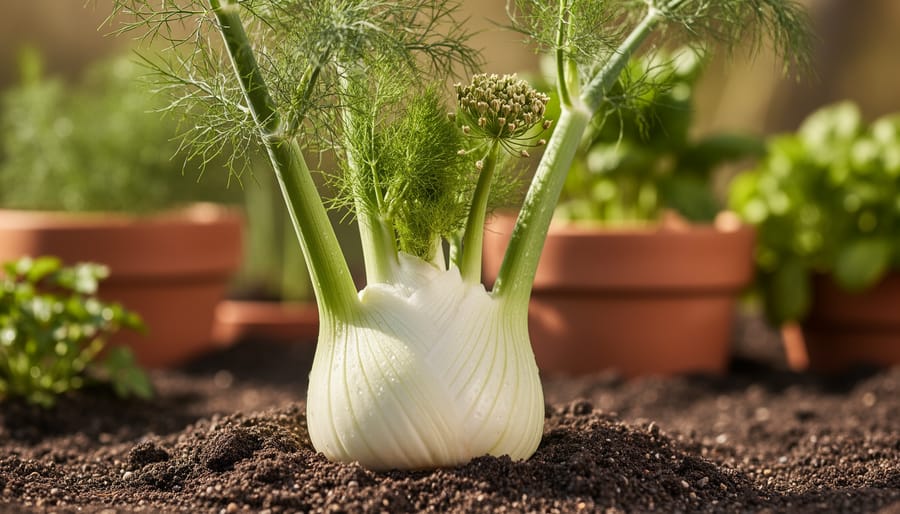
If you’re searching for an herb whose bulb and seed are used for cooking, you’ve found fennel. This versatile member of the Mediterranean herbs family delivers a distinctive anise-like flavor from two completely different parts of the same plant.
Fennel stands apart in the culinary garden. While most herbs offer leaves or seeds, fennel gives you a crisp, bulbous base perfect for roasting or slicing raw into salads, plus aromatic seeds that transform everything from Italian sausage to homemade bread. Gardeners who plant fennel just for the seeds …
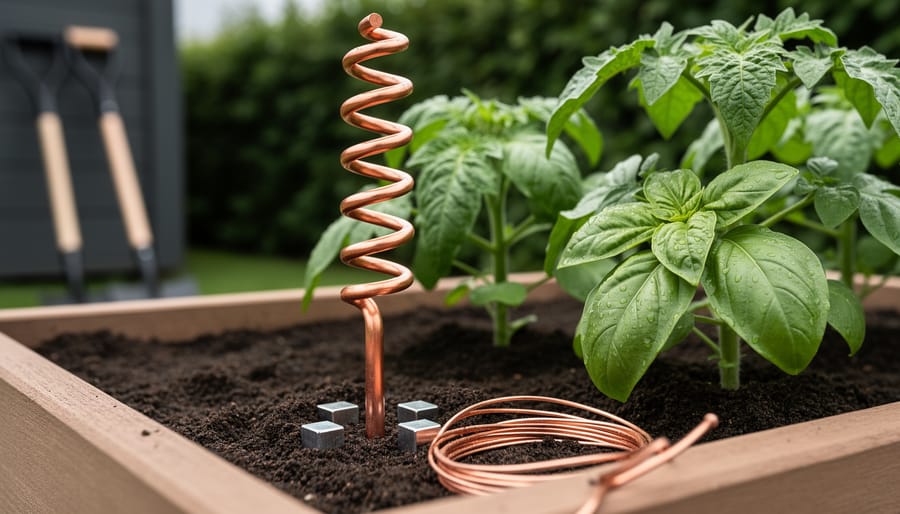
Electroculture gardening claims that metal antennas, copper wires, and magnets can harness atmospheric electricity to boost plant growth by 30-300%, according to viral videos flooding social media in 2026. You’ve probably seen the spiraled copper stakes, the dramatic before-and-after photos, and gardeners swearing their tomatoes doubled in size. But before you wire up your raised beds, you deserve the full story.
The technique isn’t new. French and European farmers experimented with “electroculture” in the 1700s and 1800s, placing iron rods in fields to capture atmospheric energy. Some reported remarkable …
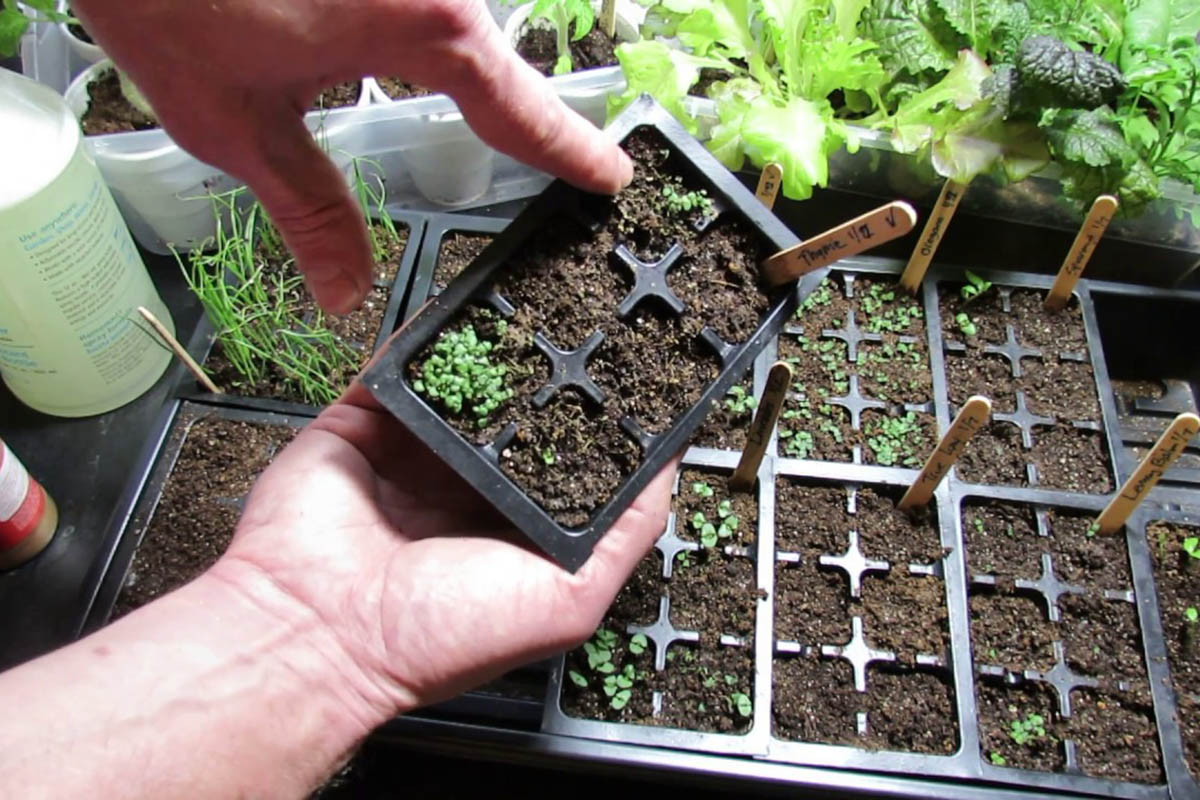
Neem has a wide variety of sues both in the garden and other places. Some of these benefits include:
Many Pests Cannot Build Resistance Against Neem
Bugs could build resistance or be able to tolerate synthetic pesticides. There have been no reports that pests have been able to resist neem oil. Therefore, this can be an effective gardening solution.
Can Be Used in Various Ways
Neem oil can be utilized in many ways since it can kill pests and insects no matter what stage they are in their lifecycle. You can use it during winter, use it as a foliar spray or soak. If you can …
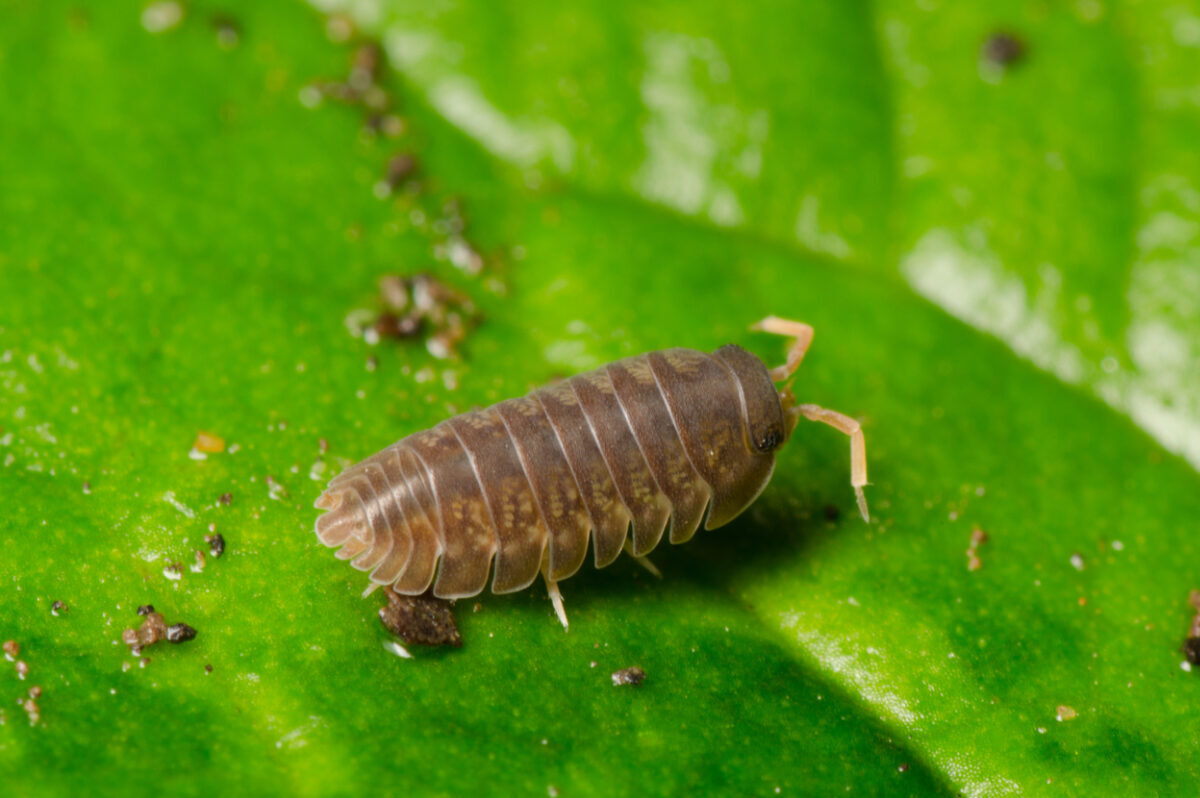
Pill bugs are a type of bug that dwell in gardens and can become a major problem if not f=dealt with immediately. If your garden is infested with these bugs, consider doing the following:
Use Organic Pill Bug Control
This is one of the most basic choices is food-grade diatomaceous earth. It is a fine powder that comes from diatoms’ shells. This destroys the soft lower side of the pill bugs. No need to worry since this is not harmful to humans or plants. You just need to spread it around your plant’s base so that they will not be able to cross.
If there is a lot that you see around your plants, …