
The Herb Whose Bulb and Seed Transform Your Mediterranean Garden (and Kitchen)
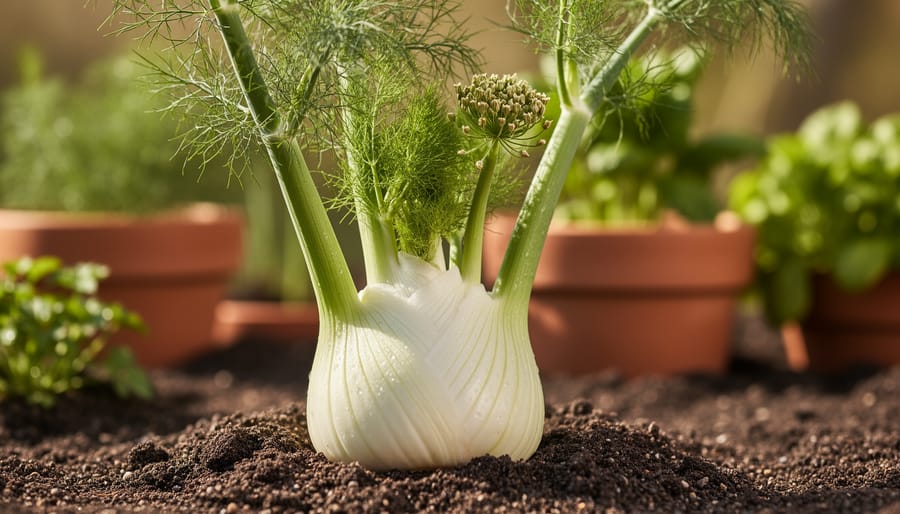
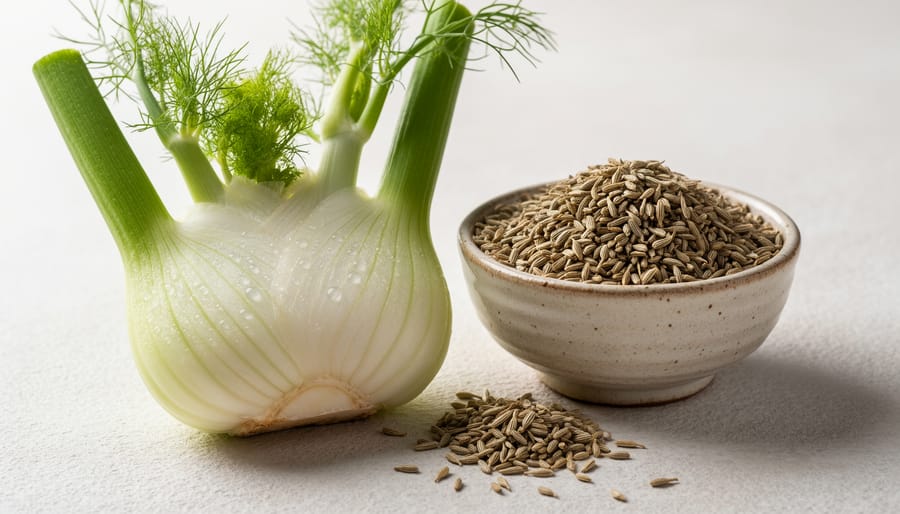
If you’re searching for an herb whose bulb and seed are used for cooking, you’ve found fennel. This versatile member of the Mediterranean herbs family delivers a distinctive anise-like flavor from two completely different parts of the same plant.
Fennel stands apart in the culinary garden. While most herbs offer leaves or seeds, fennel gives you a crisp, bulbous base perfect for roasting or slicing raw into salads, plus aromatic seeds that transform everything from Italian sausage to homemade bread. Home gardener Maria Chen from Vancouver discovered this dual harvest benefit when she planted fennel in 2025: “I thought I was growing it just for the seeds, but when I saw those white bulbs swelling at the base, I realized I’d been missing half the harvest all along.”
Growing fennel successfully means understanding which variety you need. Florence fennel (also called finocchio) develops the plump bulbs home cooks prize, while common fennel focuses energy on producing abundant seeds. You can grow both types in the same garden bed, though they’ll cross-pollinate if you let them flower simultaneously.
The beauty of fennel goes beyond the kitchen. Those feathery fronds attract beneficial insects like lacewings and parasitic wasps, natural allies in pest control. Swallowtail butterfly caterpillars consider fennel a favorite host plant, giving you front-row seats to their transformation.
This guide walks you through selecting the right fennel variety, timing your planting for maximum bulb development, and harvesting both parts at their flavor peak.
Why Fennel Is the Most Versatile Herb in Your Mediterranean Garden
Most gardeners plant basil for leaves or tomatoes for fruit, but fennel defies this single-purpose thinking. This Mediterranean powerhouse delivers two distinct harvests from one plant: crisp, sweet bulbs that roast like a vegetable and aromatic seeds that spice up everything from Italian sausage to digestive tea. Every part is edible from the white bulb at the base to the feathery fronds, delicate yellow flowers, and even the golden pollen that chefs prize for finishing dishes.
Originally native to southern Europe and the Mediterranean coast, fennel has adapted to gardens worldwide in 2026. You can grow it as an annual in cold climates, harvest it as a biennial that flowers in its second year, or let it persist as a short-lived perennial in mild regions. This flexibility means nearly any gardener can cultivate their own supply of fresh bulbs and seeds.
The plant’s dual nature means you choose your harvest strategy. Want those plump white bulbs for roasting? Pull the plants when the base swells before flowering. After aromatic seeds for baking or tea? Let fennel bolt and go to seed in late summer. Some experienced gardeners even succession-plant to get both: early sowings for bulbs, later plants for seeds.
Think of fennel as your garden’s overachiever. While other herbs offer one harvest, fennel gives you vegetable, herb, garnish, and spice all season long.
Understanding Fennel’s Flavor: Sweet Licorice Without the Punch
If you’ve ever nibbled a fennel seed or sliced into a fresh bulb, you know that gentle licorice whisper. Fennel tastes closely related to anise, but it’s noticeably sweeter and milder when cooked without the medicinal punch that can overwhelm a dish. Raw bulb offers a crisp, refreshing crunch with that subtle anise note, perfect for salads or slaw. Once you apply heat, the flavor mellows further and develops a caramelized sweetness that even licorice skeptics appreciate.
The seeds carry more concentrated flavor than the bulb, but they’re still gentler than star anise or true anise seed. Toast them lightly and they release warm, aromatic oils that enhance bread, sausage, or roasted vegetables without dominating. Understanding this flavor profile helps you decide how to harvest and use your fennel: if you want that delicate sweetness in braised dishes or gratins, focus on growing plump bulbs; if you’re after aromatic seed for spice blends or digestive tea, let a few plants flower and set seed. Either way, you’re working with a flavor that adds complexity without shouting.
Growing Fennel in Your Garden: What You Need to Know
Best Growing Conditions for Maximum Bulb and Seed Production
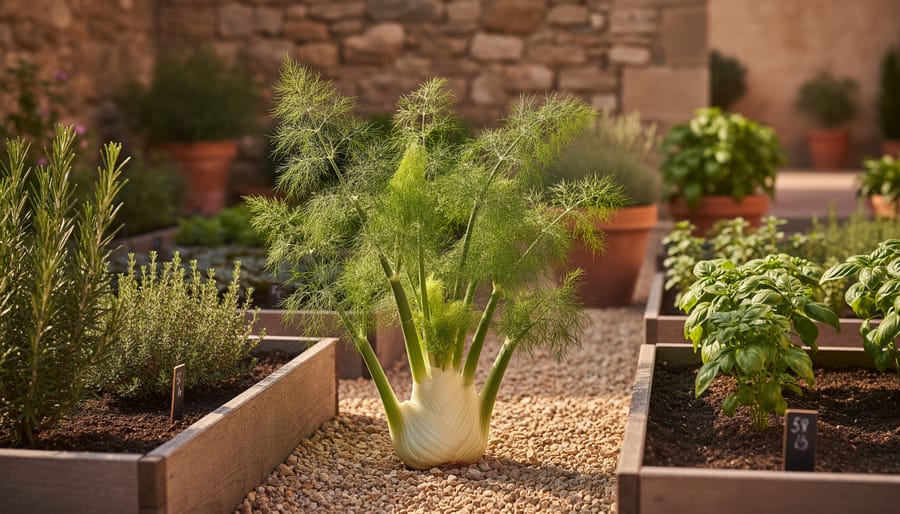
Fennel thrives in full sun with at least six hours of direct light daily. Plant it in well-drained, fertile soil enriched with compost, aiming for a slightly alkaline pH between 6.0 and 8.0. If you’re working with raised bed soil mix in aged compost and ensure good drainage to prevent bulb rot.
Water consistently to keep soil evenly moist but never waterlogged. Irregular watering causes bulbs to split and triggers premature bolting, especially during hot spells. A two-inch layer of mulch helps maintain moisture and keeps roots cool during summer heat.
For seed production, allow plants to mature in temperatures between 60 and 70°F. Higher temperatures encourage flowering, which is ideal when you want seeds. For maximum bulb development, grow fennel as a cool-season crop in spring or fall when temperatures stay moderate.
Space plants 12 inches apart to give bulbs room to swell. Avoid planting near companion crops like dill or coriander, which can cross-pollinate and affect seed flavor. Feed lightly with balanced fertilizer once bulbs begin forming to support healthy growth without forcing excessive foliage.
Timing Your Harvest: Bulbs vs. Seeds
Here’s the thing about fennel: you can harvest bulbs or seeds, but getting both from the same plant takes some strategy.
Harvest bulbs when they’re tennis ball-sized, typically 90 to 115 days after sowing. At this stage, the plant focuses all its energy below ground, and you’ll get sweet, tender bulbs perfect for roasting or slicing into salads. Cut the bulb at soil level before the plant shows signs of bolting. Once you see a thick central stalk shooting up, the bulb stops swelling and turns woody.
If you want seeds instead, let the plant bolt naturally. Skip harvesting the bulb entirely. The plant will send up tall flowering stalks covered in yellow umbels. After blooming, these develop into aromatic seeds over the next month or two. You’ll know they’re ready when the seed heads turn brown and the seeds start dropping. Snip the entire head into a paper bag and let them dry completely indoors.
Can you get both? Sort of. Some gardeners harvest small bulbs early, leaving enough stem and foliage for the plant to rebound and produce seed stalks. It works, but you’ll sacrifice bulb size for seed production. The better approach? Plant twice. Grow some fennel specifically for bulbs and sow a separate batch for seeds. This way, you get abundant harvests of both without compromise, turning one planting into your year-round fennel supply.
From Garden to Kitchen: Using Every Part of Your Fennel
Cooking with Fennel Bulbs: Sweet and Savory Applications
The transformation from raw to cooked fennel is remarkable. Raw bulbs offer a crisp texture and bright anise notes that wake up winter salads. Try shaving thin slices on a mandoline and tossing them with orange segments, olive oil, and a handful of arugula. The crunch contrasts beautifully with soft citrus, and the licorice flavor stays fresh and pronounced.
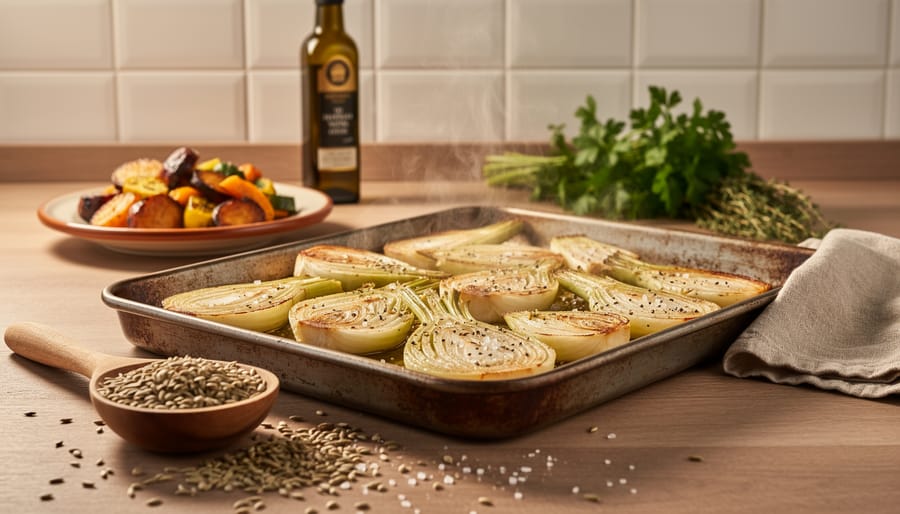
Roasting changes everything. Quarter your bulbs, toss with olive oil and a sprinkle of salt, then roast at 400°F for 30 to 35 minutes. They emerge golden and caramelized, their edges crisp while the centers turn silky. That subtle sweetness blooms in the heat, and the anise flavor mellows into something almost honey-like. Roasted fennel pairs wonderfully with chicken, pork, or layered into grain bowls.
Braising coaxes out even more tenderness. Halve the bulbs and simmer them in vegetable stock with a splash of white wine, some thyme, and a bay leaf. After 25 minutes, you’ll have melt-in-your-mouth fennel that absorbs the aromatics while releasing its own delicate perfume into the braising liquid. Use that liquid as a base for soup or risotto.
For something richer, slice bulbs into wedges, layer them in a baking dish with cream, Parmesan, and breadcrumbs, then bake until the top turns golden and bubbling. The result is crisp, fragrant, and comforting, a side dish that can anchor a meal.
Fennel Seeds: More Than Just a Spice
Let fennel flowers mature into those iconic umbrella-shaped seed heads, and you’ll have a pantry staple that lasts for years. Once the flower heads turn brown and the seeds shift from green to grayish-brown, cut the entire head and hang it upside down in a paper bag. The seeds will drop as they dry completely over the next week or two.
These aromatic seeds bring a warm, slightly sweet anise note to sausages, Italian meatballs, bread, and roasted vegetables. Toast them briefly in a dry pan before grinding to release their essential oils, or toss whole seeds into soups and braises for subtle flavor that mellows as it cooks. Indian and Middle Eastern cooks have used fennel seeds for centuries to finish curries and flavor pickles.
Beyond the kitchen, fennel seeds offer genuine digestive benefits. Eating a small spoonful after a heavy meal or steeping a teaspoon of crushed seeds in hot water for ten minutes creates a simple tea that relieves flatulence, bloating, gas, indigestion, cramps, and muscle spasms. Many gardeners keep a small jar on the counter for this purpose alone.
Store your dried seeds in an airtight container away from light, and they’ll maintain their potency for at least two years. A single mature plant produces enough seeds to last you through multiple growing seasons, making fennel one of the most generous herbs in your garden.
Real Gardener Story: Maria’s Year-Round Fennel Success
Maria Gonzalez started her Mediterranean herb garden three years ago in her suburban backyard, but fennel became her unexpected favorite only after she stopped treating it like basil. She initially planted a few bulbs in spring, harvested them, and thought that was that. Now she plants fennel every six weeks from March through August, giving her a steady supply of bulbs for fall cooking and enough plants left to bolt and produce seeds by late summer.
Her breakthrough came when she realized she didn’t need to choose between bulbs and seeds. Maria harvests the earliest plantings as bulbs while they’re still tender, then lets her mid-summer plants go to seed naturally. By September, she’s drying fennel seeds for her winter tea stash while still pulling fresh bulbs for roasting. She swears by her tomato fennel soup recipe during cooler months, using both the caramelized bulbs and a pinch of her home-grown seeds.
Her family initially balked at fennel’s licorice notes, but they came around after she started making toasted fennel au gratin as a side dish. The baked bulbs emerge crisp and golden with a sweetness that even her skeptical teenagers request. Maria now shares seedlings with neighbors each spring and has started a small recipe swap focused entirely on fennel dishes. She’s collected twelve different preparations, from raw shaved salads to braised bulbs with citrus, all from a plant she once dismissed as too specialized for home gardens.
Common Problems (and Easy Solutions) When Growing Fennel
Don’t worry if your fennel plants hit a snag, most problems have straightforward fixes that’ll get you back on track.
Premature bolting (when your plant shoots up to flower before forming a bulb) is the most common frustration. Heat stress triggers this, so plant fennel in early spring or late summer when temperatures stay below 75°F. If you’re already seeing a flower stalk forming, harvest what bulb you have and let the plant go to seed instead, you’ll still get a nice harvest of seeds for cooking.
Small, woody bulbs usually mean inconsistent watering. Fennel needs steady moisture to develop those sweet, tender bulbs we love. Water deeply twice a week rather than shallow daily sprinkles, and mulch around the base to keep soil evenly moist.
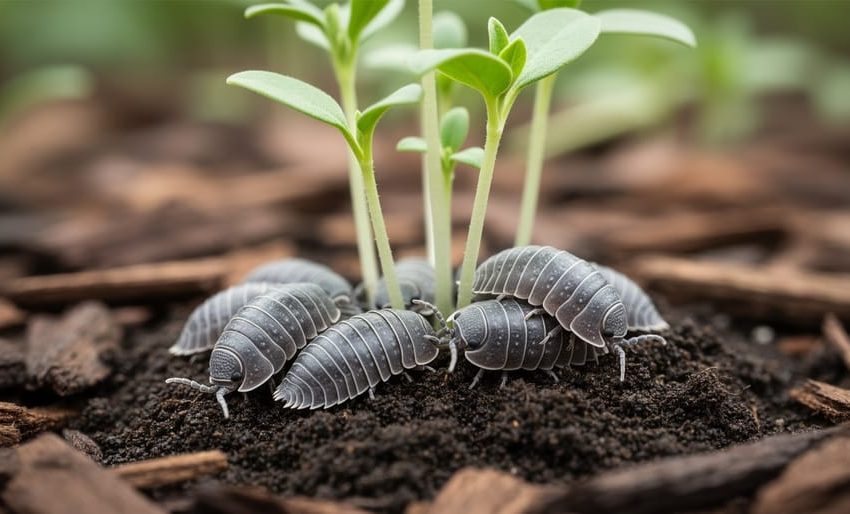
Aphids and caterpillars love fennel as much as we do. A strong spray from your hose knocks aphids right off, or you can use neem oil for pests if they persist. Encourage beneficial insects like ladybugs and lacewings, they’ll handle the problem naturally. If you notice small holes in the base, you might need to deal with pill bugs munching on young plants.
Poor seed production? Your plant needs full sun and time. Let those yellow flower umbels fully mature and dry on the stalk before harvesting. Cut the seed heads when they turn brown, hang them upside down in a paper bag, and let gravity do the work.
Adding fennel to your Mediterranean herb garden this year means you’ll have the answer to that crossword clue right outside your door, plus a versatile ingredient whose bulb and seed are both used for cooking in countless ways. Whether you’re roasting golden, fragrant bulbs for dinner or brewing digestive tea from seeds you harvested yourself, fennel rewards you with flavour and function from a single plant.
We’d love to hear how you’re using fennel in your garden and kitchen. Share your favourite fennel recipes, growing tips, or photos with our community. Your experience might inspire another gardener to try this dual-purpose herb for the first time, and together we’ll keep discovering new ways to make the most of every part of this remarkable plant.