
The Complete Gardening Fence Blueprint That Protects Your Plants and Your Investment
A gardening fence transforms your plot from vulnerable buffet to protected sanctuary, keeping out rabbits, deer, and neighborhood dogs while creating defined growing zones that make garden management dramatically easier. Whether you’re defending raised beds from persistent wildlife or establishing boundaries around in-ground plantings, the right fence pays for itself in saved harvests and reduced frustration within a single season.
The decision between materials matters more than most gardeners realize. Wire mesh options like BRC fencing currently run from $11.80 to $12.60 per meter depending on volume, offering durability and visibility at a moderate price point. Solid timber fences, built from rough sawn planks measuring 180 cm by 10 cm, create complete visual barriers but require more upfront investment and ongoing maintenance like annual staining with protective wood treatments.
Most gardeners underestimate installation time. A typical project involving four raised beds with perimeter fencing takes about two weeks when you factor in bed construction, fence assembly, and allowing materials to settle. The sequence matters: install beds first, let soil settle, then add fencing a couple weeks later to avoid compaction issues and ensure accurate measurements.
Your garden’s specific threats determine fence height and mesh size. A knee-high barrier stops rabbits but won’t deter deer. A standard chicken wire fence holds back small pests but fails against determined groundhogs. The most effective approach combines the right material with proper height, secure anchoring, and strategic placement that accounts for your garden’s layout and the animals you’re actually dealing with.
This guide walks you through comparing fence types, selecting materials that match your budget and needs, and installing a fence that lasts.
The Real Reasons Your Garden Needs a Fence
Most gardeners learn about fencing the hard way. You plant your first tomatoes, check them eagerly each morning, then discover half the crop gone overnight, deer tracks between the rows, rabbit droppings near the lettuce, or your neighbor’s dog sprawled happily in the turned soil.
Sarah from Michigan experienced this exact frustration with her kitchen herb garden. She planted basil, parsley, and cilantro in early spring, only to watch rabbits systematically destroy every shoot. After installing a simple wire fence at the recommended height by rabbit type her herbs flourished. She harvested more basil that summer than the previous three years combined.
Beyond keeping wildlife out, fences create distinct microclimates within your garden. A solid fence on the northern edge blocks harsh winds, letting you grow tender plants that wouldn’t otherwise survive your zone. The sheltered space warms earlier in spring and holds warmth later into fall, extending your growing season by weeks. Gardeners in exposed areas report temperature differences of several degrees inside a fenced plot compared to open ground.
Fences also provide crucial vertical growing space. Runner beans, peas, cucumbers, and climbing roses need support. Rather than installing separate trellises, your fence becomes a productive surface. Some gardeners intentionally plan their fence placement to maximize sun exposure for climbers while creating shade for lettuce and spinach on the opposite side.
Property value matters too. A well-maintained garden fence signals care and intention to potential buyers. It demonstrates defined outdoor living zones and suggests a property owner who invests in their home. Real estate agents consistently note that organized, fenced gardens photograph better and help homes stand out in listings.
The practical benefits stack quickly. Fences contain mulch and soil amendments within your beds rather than washing into lawns. They discourage casual foot traffic that compacts soil. They let you confidently apply organic sprays without drift onto neighboring plants. And psychologically, they transform scattered plantings into a dedicated garden room, a space that feels purposeful and yours.
Types of Gardening Fences: Finding Your Perfect Match
Wire and Mesh Fences for Practical Protection
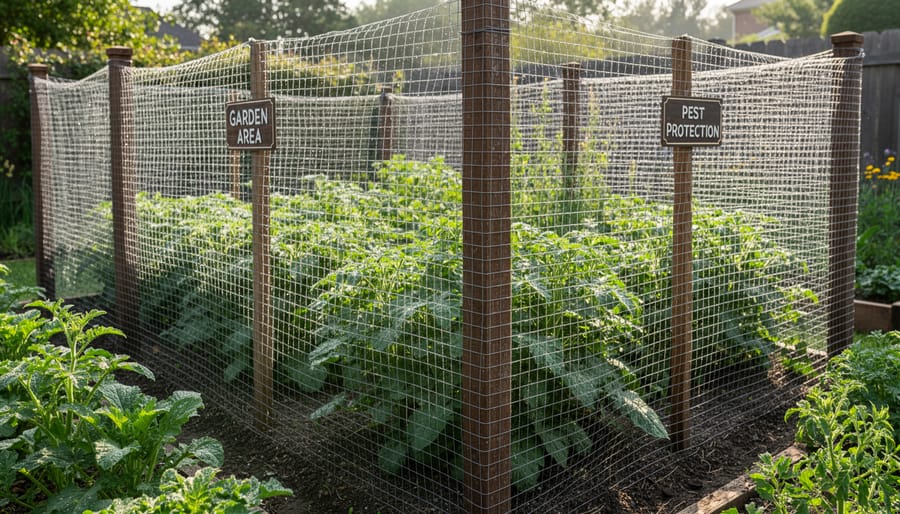
Wire mesh fencing offers garden protection without breaking the bank or blocking sunlight to your plants. BRC garden fencing stands out for larger projects, with commercial pricing starting at $12.60 per meter for 100-199 meter orders, dropping to $12.20 for 200-499 meters, and $11.80 for bulk orders of 500 meters or more. These tiered prices make BRC practical for community gardens or multiple bed installations.
Chicken wire remains the budget champion for smaller gardens. Its hexagonal mesh (typically one-inch openings) stops rabbits and keeps chickens out of vegetable patches, though it won’t deter determined deer. The lightweight galvanized wire installs quickly with basic U-staples and wooden posts, perfect for first-time fence builders.
Welded mesh fencing delivers superior strength where you need it. The square grid pattern, with wires welded at each junction rather than twisted, resists bending and provides a more rigid barrier. Choose welded mesh for areas where dogs might push through, or where climbing plants need reliable support. The 2×2-inch or 4×4-inch grid options let you balance visibility with protection based on what you’re keeping in or out.
Solid Timber Fences for Privacy and Wind Protection
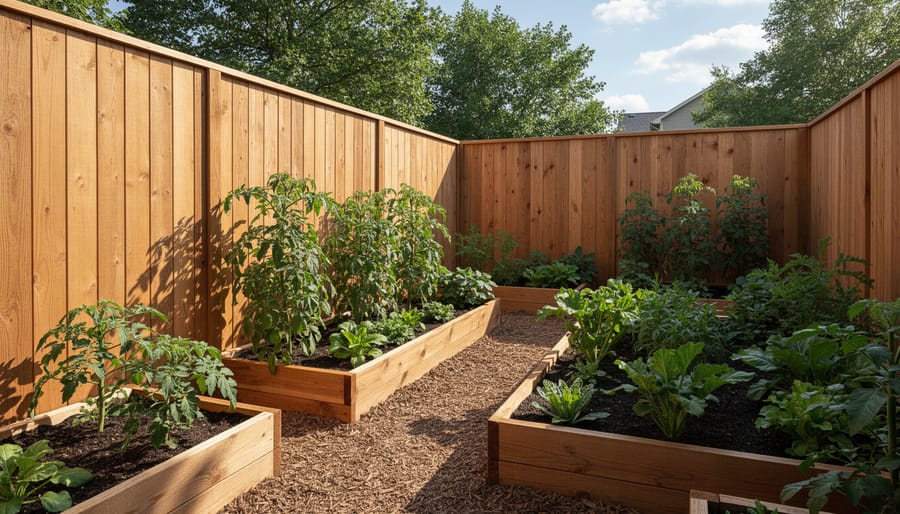
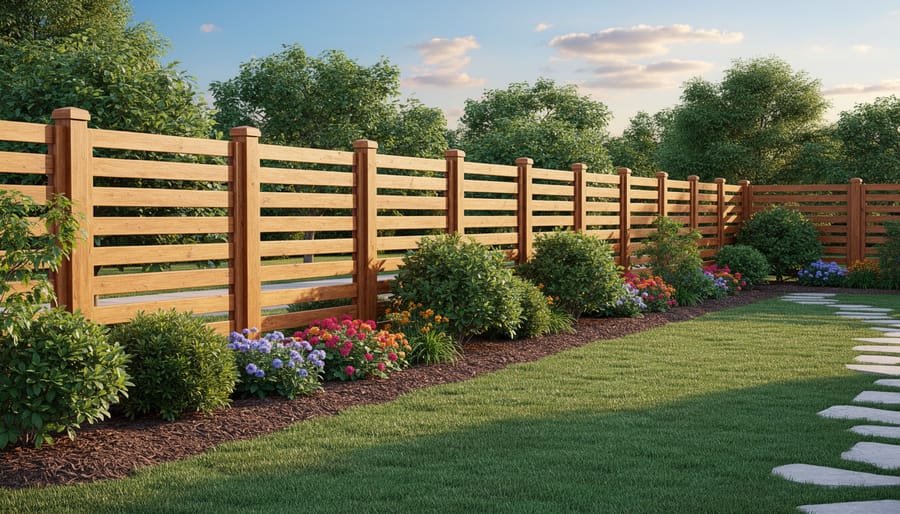
Solid timber fences offer the ultimate combination of privacy, wind protection, and visual impact for your garden. Unlike mesh or wire options, wooden panel fences create a complete barrier that shields tender plants from harsh winds, blocks unwanted views, and establishes a warm, natural backdrop for your growing space.
Rough sawn timber planks (typically 180cm x 10cm) remain a popular DIY choice because they’re cost-effective and straightforward to install. The natural texture adds character while providing the structural strength needed for a fence that’ll stand up to weather. You can arrange planks vertically for a classic look or horizontally for a more contemporary feel, depending on your garden’s style.
The key to longevity lies in proper finishing. Raw timber left untreated will grey and deteriorate within a few seasons. A quality wood stain treatment, such as Protek in shades like Ebony, penetrates deep into the grain to protect against moisture, UV damage, and fungal growth. Apply at least two coats before installation, paying extra attention to end grain where water likes to sneak in.
Solid timber works especially well around vegetable gardens where you want to create a sheltered microclimate. The barrier slows wind speed without creating turbulence, helping crops like tomatoes and beans thrive while giving you complete privacy to garden in peace.
Raised Bed Enclosures: The Complete Garden System
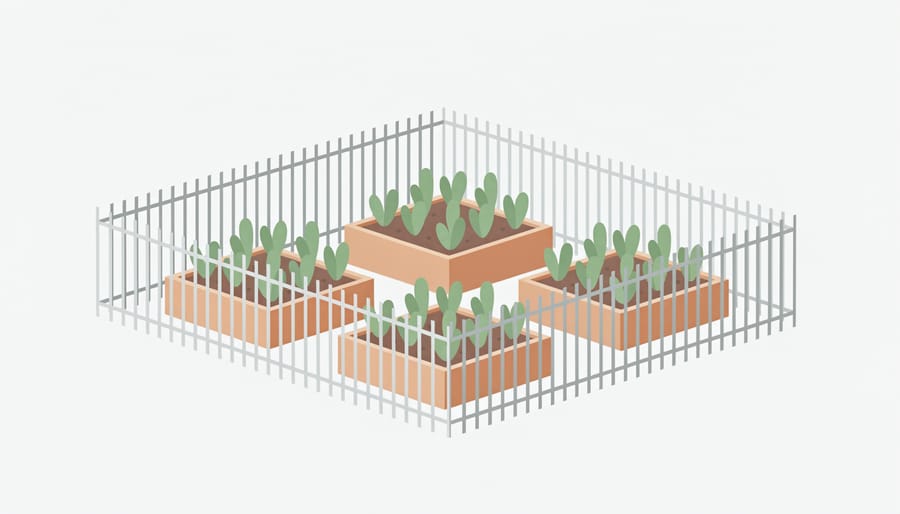
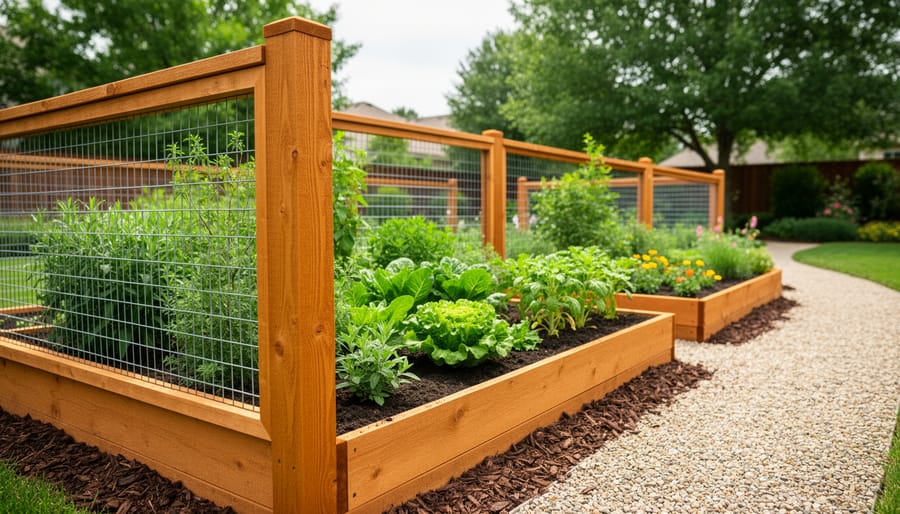
Raised beds with integrated fencing represent one of the smartest approaches to vegetable gardening. This combined system gives you soil depth control, easier access for planting and harvesting, and immediate pest protection in one coordinated setup. The trick is getting the installation sequence right: build and fill a raised bed first, then add your fence enclosure a couple weeks later once the beds have settled.
This approach solves multiple problems at once. The raised structure keeps plant roots in premium soil while the fence perimeter stops rabbits, groundhogs, and wandering pets from destroying your vegetables. You can install four beds in a weekend, let them stabilize, then complete the fencing without disturbing your newly planted seedlings. Many gardeners use simple materials like rough sawn timber planks for both the bed frames and fence panels, creating a cohesive look that ties the whole garden together visually while keeping costs manageable.
Planning Your Garden Fence: What to Consider Before You Buy
Before you spend a penny on fencing materials, take time to map out your specific requirements. The right planning now prevents costly mistakes and ensures your fence actually solves the problems you’re facing.
Start by walking your garden’s perimeter with a tape measure. Note the total linear footage you need to enclose, but also mark any obstacles like existing trees, slopes, or utility access points. If you’re planning to fence around raised beds for vegetables like growing artichokes or tomatoes, measure each bed’s dimensions individually and add buffer space for walking paths.
Height matters more than many gardeners realize. A 2-foot fence stops rabbits but won’t deter deer, which can leap 8 feet when motivated. Neighborhood dogs typically need 4 to 5 feet of solid barrier. Ground-level threats matter too, if you have burrowing animals, plan to bury mesh at least 6 inches deep or bend it outward underground to create an L-shaped barrier.
Check your local regulations before finalizing your design. Many townships limit front-yard fence heights to 3 or 4 feet, while backyard fences can go higher. Some neighborhoods require specific materials or styles to maintain aesthetic consistency. A quick call to your municipal zoning office or a visit to their website saves potential headaches and removal orders later.
Your climate dictates material longevity. Cedar and redwood resist rot naturally in humid regions, while pressure-treated pine works well in drier areas. Wire mesh won’t warp in heat but can rust without proper coating. If you face strong winds, solid panels need reinforced posts spaced closer together than manufacturers’ standard recommendations.
Budget realistically by pricing materials in tiers. Wire mesh options like BRC fencing run around $12 per meter for quantities under 200 meters, dropping slightly for bulk orders. Timber fences cost more upfront but create privacy and windbreaks that mesh can’t provide. Don’t forget the hidden costs: post-hole digger rental, concrete for setting posts, gates and hardware, protective finishes, and potentially professional installation if your soil is rocky or your property slopes significantly.
Measure twice, order once, and your fence project starts on solid ground.
Installing Your Gardening Fence: A Step-by-Step Approach
DIY Installation: What You’ll Actually Need
Before you grab that shovel, let’s talk honestly about what a DIY timber fence project actually demands. You’ll need basic carpentry tools: a post hole digger or auger, spirit level, tape measure, cordless drill, saw for cutting posts to height, hammer, and safety gear. Materials-wise, expect pressure-treated posts (typically 10cm x 10cm), your chosen fencing boards, concrete for setting posts, galvanized screws or nails, and wood treatment or stain for protection.
Time commitment? A weekend for a small garden enclosure, longer for extensive runs. Plan one day for post setting (allowing concrete to cure overnight), then another for attaching panels and finishing. Your skill level needs to include measuring accurately, digging straight holes, and working with basic power tools, but you don’t need professional carpentry experience.
Sarah from Devon shared her experience installing a raised bed enclosure in early June last year. She built four raised beds first, then enclosed them a couple weeks later with a solid timber fence using 180cm x 10cm rough sawn planks. After assembly, she protected the wood with Protek wood stain in Ebony, which gave it both weather resistance and a clean, modern look. By mid-season, she reported the fence had kept rabbits out completely while providing wind shelter that noticeably improved her tomato yields.
The real secret? Don’t rush the post-setting stage. Wobbly posts mean a wobbly fence, and fixing them later means starting over.
Finishing and Protecting Your Fence
A fresh timber fence won’t stay pristine without protection. Raw wood exposed to rain, sun, and temperature swings can crack, warp, and rot within a single season, so treating your fence right after installation saves money and frustration down the line.
Start by choosing a quality wood stain or sealant designed for exterior use. Products like Protek wood stain in shades like Ebony offer both colour and weather resistance, penetrating the timber to shield it from moisture while enhancing the grain. Apply your chosen treatment on a dry, mild day, ideally within two weeks of installation when the wood is still clean and receptive. Use a brush for control around posts and corners, then switch to a roller for larger panel sections to speed the process.
Reapply your stain or sealant every 18 to 24 months, depending on your climate. Gardens in rainy or coastal areas need more frequent touch-ups than those in drier regions. Inspect your fence each spring for peeling finish or exposed wood, and address bare patches immediately before water seeps in. For fences near vegetable beds, avoid chemical treatments close to edibles or use neem oil as a natural wood conditioner that won’t harm nearby plants. Proper finishing turns a simple timber barrier into a durable garden asset that weathers years without losing its structure or appeal.
Maintaining Your Garden Fence Through the Seasons
A garden fence isn’t a set-it-and-forget-it investment. Regular seasonal maintenance protects your materials, extends your fence’s lifespan, and keeps it doing its job year after year.
Spring: Inspect and Repair
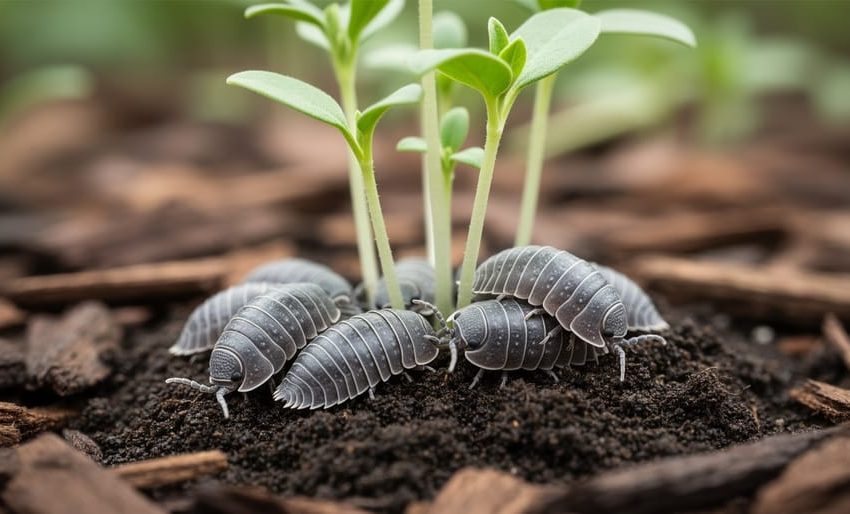
Walk your entire fence line in early spring. Check wooden posts at ground level for soft spots or rot, tighten loose screws and brackets, and look for winter damage like cracked panels or bent mesh. Clear debris that accumulated against the base where moisture breeds problems. This is also when you’ll spot pest activity early. If you notice wood-boring insects or pill bugs clustering around damp posts, deal with pill bugs before they compromise the wood. Apply a fresh coat of wood stain or sealant to timber fences now, before the growing season gets busy.
Summer: Monitor and Clean
Summer heat stresses fence materials. Check that climbing plants haven’t pulled mesh away from posts or created moisture pockets against solid panels. Trim vegetation growing too close to the fence base. Hose down dusty surfaces and inspect metal components for early rust spots. Treat any rust immediately with a wire brush and rust-inhibiting primer.
Fall: Prepare for Winter
Autumn is your last chance to reinforce weak points. Replace rotted boards, tighten wobbly posts, and clear leaves from fence corners where they trap moisture. Apply protective treatments to wood before the first frost. Check that gates still swing freely and latches work properly.
Winter: Protect and Plan
Brush heavy snow off horizontal rails to prevent warping. After storms, inspect for wind damage or fallen branches. Use this slower season to plan next year’s upgrades or note sections that’ll need replacement come spring. A fence maintained through all four seasons can last fifteen years or more instead of failing after five.
Common Gardening Fence Mistakes (And How to Avoid Them)
Even experienced gardeners stumble into fence mistakes that cost time, money and frustration. The good news? Every common error has a straightforward fix, and knowing these pitfalls upfront saves you from learning them the hard way.
Choosing the Wrong Height for Your Threat
Many gardeners install fences based on aesthetics rather than the actual pests they face. A charming 60cm picket fence won’t stop a determined deer, while a 2-meter fortress is overkill for keeping out wandering chickens. Rabbits need at least 90cm above ground, deer require 2.4 meters minimum, and dogs vary by breed. Before you buy, identify your specific threats and research their jumping or climbing abilities. The fix is simple: measure twice, install once at the proper height.
Forgetting Ground-Level Barriers
The fence looks solid, but rabbits, groundhogs and even some dogs dig underneath within days. This happens when gardeners forget that many pests burrow rather than jump. Prevent this by extending wire mesh 15-30cm below ground, bent outward in an L-shape. For raised bed systems, install the fence after the beds are in place (as many successful installations do), then bury the bottom edge or attach it directly to the bed frames for a complete barrier.
Weak Post Anchoring
Posts that wobble after one windy season signal the most preventable mistake: inadequate anchoring. Set posts in concrete for anything taller than 1 meter or in areas with strong winds. The hole should be three times the post diameter and one-third the post’s above-ground height deep.
Neglecting Gate Planning
Installing a beautiful fence only to realize you can’t get your wheelbarrow inside is surprisingly common. Plan for at least one gate wide enough for your equipment (90cm minimum, 120cm ideal). Position gates near water sources and compost areas for practical daily use, not just where they look nice from the house.
The right gardening fence does more than mark a boundary. It protects your investment in seeds, soil, and time while creating the structure your garden needs to thrive. Whether you’re excluding hungry rabbits, supporting climbing beans, or simply defining your growing space with intention, your fence becomes part of your garden’s story.
Start with what you actually need. Walk your garden, notice where animals enter, consider which plants need support, and think about the zones you want to create. Your specific challenges will point you toward the right solution, whether that’s practical mesh, solid timber panels, or a combination approach.
Remember, you’re not alone in this decision. The Garden Gates community has been exactly where you are now, measuring spaces, comparing materials, and wondering if they’re making the right choice. We’ve shared our real experiences throughout this guide because gardening is better when we learn together.
What’s your biggest fence challenge? Are you protecting vegetables from deer, creating privacy for a backyard retreat, or enclosing raised beds? Share your situation in the comments. We’d love to hear what you’re planning and help you think through the details. Your question might be exactly what another gardener needs to read today.