
How to Manage Pill Bug Infestation in Your Garden: A Step-by-Step Solution
Pill bugs munching through your garden aren’t actually insects at all, and controlling them takes a three-pronged approach: removing excess moisture and organic debris, setting up simple traps, and creating physical barriers around vulnerable seedlings. Most infestations resolve within two to three weeks once you interrupt their food sources and habitat, making this a highly manageable problem even for first-time gardeners.
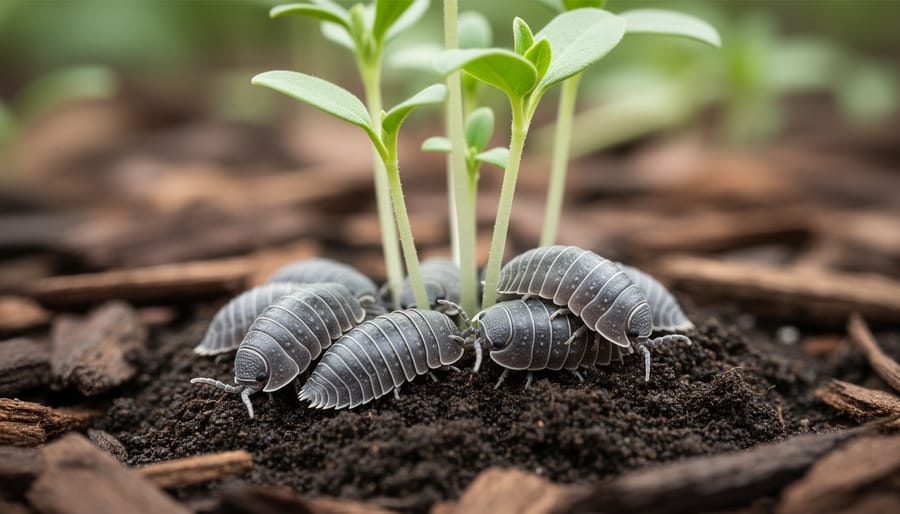
Here’s what catches most people by surprise: pill bugs, those gray armored creatures that roll into tight balls when disturbed, are actually land-dwelling crustaceans more closely related to shrimp than beetles. They’re usually beneficial garden helpers that break down dead plant material and enrich your soil. Problems arise only when their populations explode or when tender young plants become their primary food source because there isn’t enough decomposing matter to keep them satisfied.
The key to solving a pill bug problem lies in understanding what draws them in. These little scavengers thrive in damp, dark spaces rich with decaying organic material. When you’ve got thick mulch layers, overwatered soil, or piles of dead leaves sitting against your garden beds, you’re essentially running a pill bug hotel. They’ll happily stick to cleanup duty until those conditions change or until their numbers grow so large that they start nibbling on living plant tissue, particularly soft seedlings and ripening fruits touching the ground.
The good news? You won’t need harsh chemicals or expensive interventions. Simple habitat adjustments, combined with a few household items and strategic trapping, will bring populations back to healthy levels where these creatures return to their helpful role rather than causing damage.
Identifying a Pill Bug Problem in Your Garden
Pill bugs typically live in your garden without causing any real trouble. They’re primarily decomposers that munch on decaying plant material, dead leaves, and rotting wood. The problem starts when their population explodes and they run out of their preferred food sources, at which point they’ll turn to your healthy plants for nutrition.
Start your inspection in the early morning or evening when pill bugs are most active. Lift up any flat objects in your garden, stones, boards, empty pots, or mulch piles. If you see clusters of 20 or more pill bugs scrambling for cover, you’ve got a significant population that warrants attention. A few pill bugs scattered here and there? That’s normal and actually beneficial for your soil.
Look for these telltale signs that pill bugs have crossed from helpful to harmful:
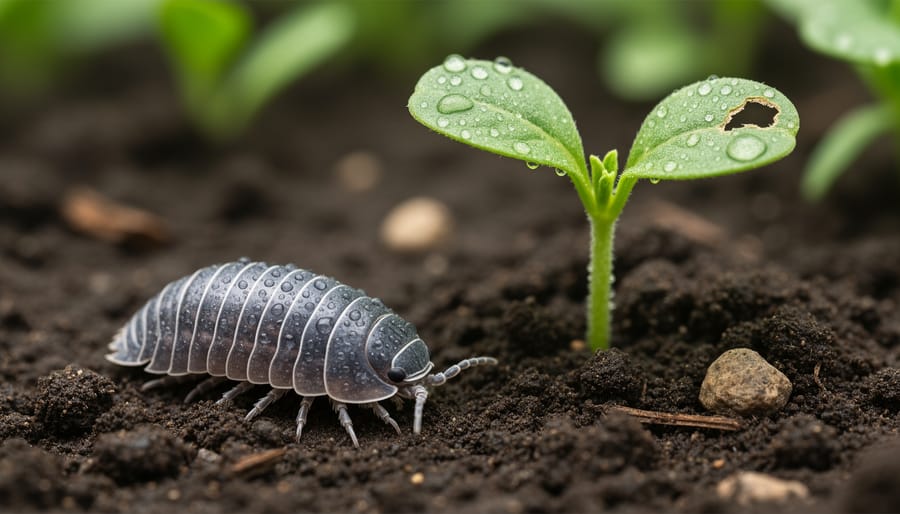
- Seedlings with irregular holes chewed through leaves near the soil line
- Tender young plants that appear stunted or have damaged stems at ground level
- Congregations of 30 or more pill bugs under a single object or in one garden area
- Visible feeding damage on strawberries, lettuce, or other low-growing edibles touching the soil
- Ripening fruit sitting on mulch or soil showing small pitted areas or holes
- Newly transplanted seedlings that wilt or collapse despite adequate water
The key distinction is damage location and plant age. Pill bugs rarely climb, so if you’re seeing damage higher than two inches above the soil, you’re dealing with a different pest entirely. Similarly, established plants with tough stems can usually withstand pill bug nibbling without issue. Your intervention is really only necessary when vulnerable seedlings, transplants, or ground-level crops show active feeding damage combined with large pill bug populations in the immediate area.
Tools and Materials You’ll Need
You don’t need fancy equipment to manage pill bugs, most effective solutions use items you likely have at home already. Gather your supplies before starting so you can move smoothly through the management process.
Essential Materials:
- Food-grade diatomaceous earth (the non-pool type, safe for gardens)
- Copper tape or strips (creates a barrier pill bugs won’t cross)
- Garden gloves for handling materials and relocating pill bugs
- Shallow containers or jar lids for trap bases
- Raw potato halves or cantaloupe rinds for bait traps
- Beer or yeast-water mixture (1 teaspoon yeast in warm water works)
- Newspaper or cardboard pieces for monitoring traps
- Spray bottle for spot treatments if needed
- Small rake or cultivator for clearing debris
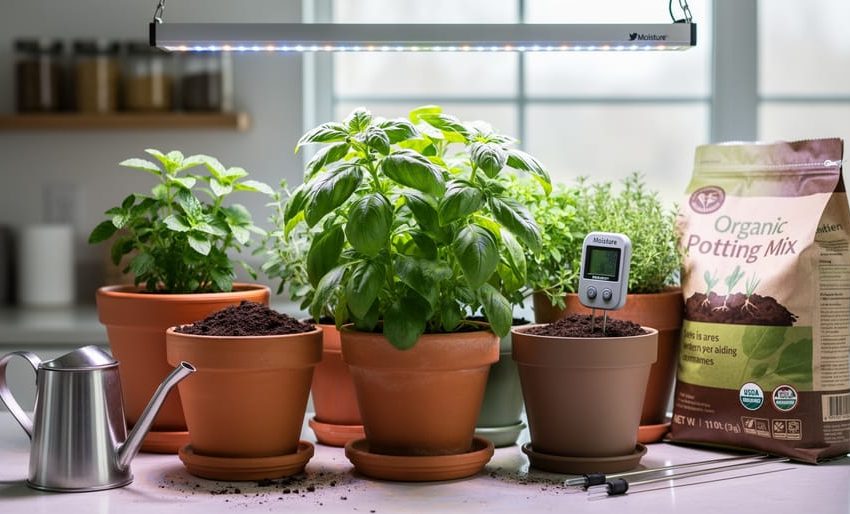
For protecting vulnerable seedlings, copper tape works exceptionally well, wrap it around pot rims or create rings in the soil. If you’re starting plants indoors and moving them outside, having proper seedling supplies ready helps you protect transplants from the start.
Optional but Helpful:
You might want a headlamp or flashlight for evening inspections, since pill bugs are most active after dark. A bucket makes collecting and relocating pill bugs easier if you’re removing them manually. Some gardeners keep neem oil or insecticidal soap on hand, though these aren’t first-line treatments for pill bugs.
Skip pesticides designed for other insects, they’re overkill for pill bugs and harm beneficial garden creatures. The materials above give you everything needed for effective, targeted management.
Safety Warnings and Precautions
While pill bugs themselves are harmless to humans and pets, a few sensible precautions will keep everyone safe during your management efforts.
When applying diatomaceous earth barriers, wear a dust mask to prevent inhalation. The fine powder can irritate lungs if breathed in during application, though it’s harmless once settled on the ground. Apply on calm days to prevent drift into your face or neighboring plants.
If you’re using beer traps, place them where children and pets can’t accidentally drink from them. Consider covering traps with a weighted board that leaves just enough gap for pill bugs to enter.
Be mindful of beneficial insects when managing pill bugs. Ground beetles, spiders, and centipedes naturally prey on pill bugs and help maintain balance in your garden. Avoid broad-spectrum pesticides that would harm these allies. Your goal is population control, not scorched-earth elimination.
Store any baits or diatomaceous earth in sealed containers away from children and pets. Label everything clearly. When removing debris piles where pill bugs hide, wear gloves since you might encounter spiders or other creatures sheltering in the same spots. Common sense and gentle handling protect both you and your garden’s ecosystem.
Step-by-Step Management Process
Step 1: Remove Their Hiding Places
Start by surveying your garden for the damp, dark spots pill bugs love. Walk through in the morning and flip over any boards, rocks, flower pots, or decorative items sitting directly on the soil. You’ll often find clusters of pill bugs underneath, these are their daytime refuges.
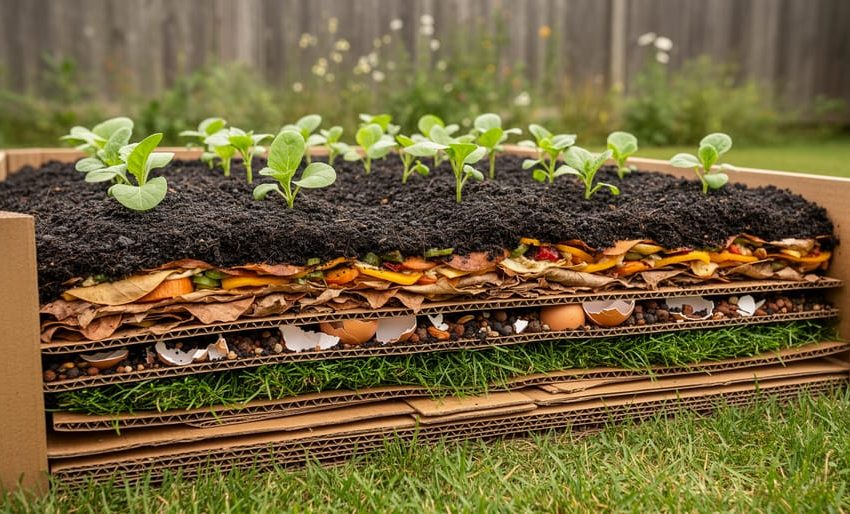
Clear away piles of dead leaves, grass clippings, and plant debris near vulnerable seedlings. Pill bugs thrive in decomposing organic matter, so move compost piles at least three feet away from garden beds or store them in enclosed bins. If you’ve got stacks of lumber, bricks, or empty containers sitting in the garden, relocate them to a shed or garage.
Pull mulch back from plant stems, creating a three-inch bare zone around each seedling. Thick mulch pressed against tender growth creates the perfect moist hideout. You’re not eliminating mulch entirely, just redistributing it so pill bugs can’t use it as a launching pad to your plants.
Check under stepping stones and along fence lines. Any gap between an object and moist soil becomes prime pill bug real estate during daylight hours.
Step 2: Reduce Excess Moisture
Pill bugs thrive in consistently damp environments, so your watering habits directly influence their population size. Start by shifting your watering schedule to early morning rather than evening. This gives soil surfaces time to dry during the day, making the environment less attractive to pill bugs that emerge at night.
Check your garden’s drainage next. If water pools after rain or watering, pill bugs will congregate there. Add organic matter like compost to heavy clay soil to improve drainage, or create gentle slopes that direct water away from vulnerable plantings. For containers, ensure drainage holes aren’t blocked.
Space your plants properly to allow air circulation between them. Crowded gardens trap moisture at soil level, creating pill bug paradise. Pull back mulch to at least two inches from plant stems, direct contact with damp mulch against tender growth invites problems.
Consider watering deeply but less frequently instead of light daily watering. This approach encourages deeper root growth while allowing the top inch of soil to dry between sessions, disrupting the constant moisture pill bugs need.
Step 3: Create Physical Barriers
Once you’ve reduced moisture and removed hiding spots, install barriers to keep pill bugs away from vulnerable plants. These physical obstacles work best around young transplants and seedlings that can’t tolerate much damage.
Diatomaceous earth creates an effective barrier that pill bugs avoid crossing. Sprinkle a thin band of food-grade DE in a circle about two inches wide around the base of each plant. Reapply after rain or heavy watering, as moisture reduces its effectiveness. This natural approach works well to protect seedlings without chemicals.
Copper tape offers a more permanent solution. Wrap it around the rim of containers or create small copper collars at ground level around individual plants. Pill bugs won’t cross copper barriers. You can find self-adhesive copper tape at most garden centers.
Crushed eggshells provide a simple homemade barrier. Ring plants with a layer of coarsely crushed shells, the sharp edges deter pill bugs from crawling over them. This method works particularly well in raised beds where you can maintain the barrier easily.
For transplants, try plastic bottle cloches with the bottoms cut off. Push them into the soil around young plants to create a physical wall. Remove once plants establish stronger stems.
Step 4: Set Up Traps
Cut a potato in half and hollow out the center, leaving about half an inch of flesh around the edges. Place the halves cut-side down in areas where you’ve spotted pill bug activity, especially near damaged seedlings. Check them each morning, you’ll often find dozens of pill bugs clustered underneath, drawn to the moisture and darkness. Simply collect the potato pieces and dispose of them away from your garden.
Beer traps work similarly. Bury shallow containers (like tuna cans) level with the soil surface and fill them halfway with stale beer. The yeast attracts pill bugs, which fall in overnight. Empty the traps daily and refill as needed.
For a zero-cost option, dampen newspaper sheets and roll them loosely. Place these rolls near problem areas at dusk. By morning, pill bugs will have crawled inside seeking shelter. Unroll them over a bucket, shake out the bugs, and relocate them to your compost pile or a wild area.
Check all traps in early morning before pill bugs scatter. Replace potato traps every two to three days as they dry out or become less attractive.
Step 5: Implement Long-Term Prevention
Long-term prevention starts with smart mulching: apply only two to three inches of organic mulch and pull it back a few inches from plant stems to reduce moisture concentration. Water early in the day so soil surfaces dry out before evening, and space plants properly to improve air circulation. Consider no-dig beds that reduce excessive organic matter churning, or try container gardening for vulnerable seedlings and herbs. Rotate your crops annually and avoid over-composting directly in beds. Encourage natural predators like ground beetles by maintaining some permanent plantings nearby. These habits keep pill bug numbers manageable while preserving the decomposition benefits they provide.
Verification and Next Steps
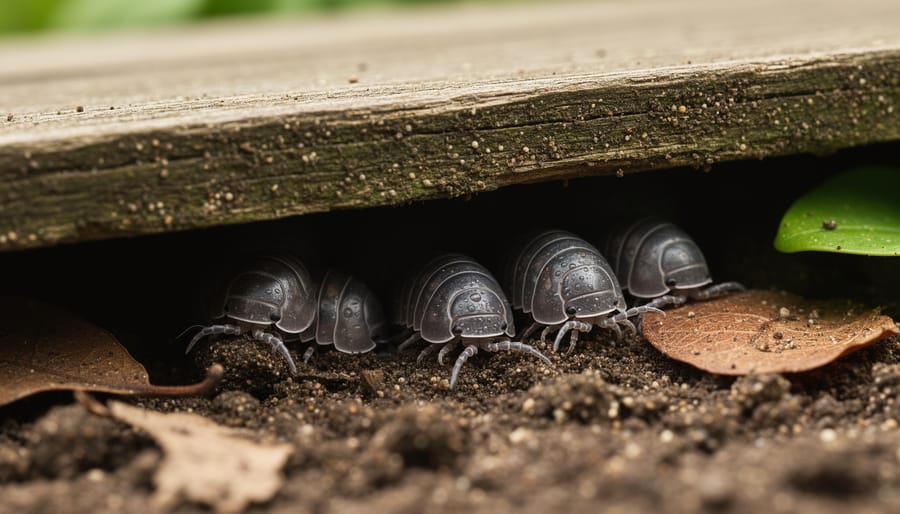
After implementing your management strategy, you should start seeing results within 7-10 days. Check your garden in the evening when pill bugs are most active, and compare their numbers to what you observed initially. Success doesn’t mean zero pill bugs, it means bringing the population to a level where your plants can thrive without significant damage.
Monitor these four indicators to verify your efforts are working:
- Reduced pill bug numbers under boards, pots, and mulch where they previously congregated in large groups
- Healthier seedlings showing vigorous new growth without wilting or stunted development
- Fewer damaged leaves, particularly on tender young plants and low-growing vegetables
- Stable populations that remain low over several weeks without sudden spikes
If you still notice heavy activity or fresh damage after two weeks, repeat Steps 1 through 3 from the management process. Focus especially on moisture reduction, as wet conditions can undo other control efforts. Check your watering schedule and look for hidden damp spots like leaky hoses or areas with poor drainage.
During spring and after heavy rains, you may need to reapply physical barriers or reset traps. This is normal. Pill bug management works best as an ongoing practice rather than a one-time fix. Keep removing debris piles, maintain drier soil conditions around vulnerable plants, and monitor weekly during peak growing season. Most gardeners find that after the initial intensive management period, a quick monthly check and occasional adjustments keep populations balanced without requiring constant intervention.
Understanding When Pill Bugs Are Actually Helpful
Here’s the truth most gardeners eventually discover: pill bugs are doing important work in your garden. These little decomposers break down dead plant material, fallen leaves, and organic matter that would otherwise pile up. As they munch through decaying vegetation, they speed up the composting process and release nutrients back into your soil. Their droppings actually enrich the earth beneath your plants.
Think of pill bugs as your garden’s cleanup crew. They’re processing yesterday’s tomato leaves and last week’s pruned branches, turning waste into available nutrition. In healthy garden ecosystems, they play a supporting role that benefits everything growing around them.
Maria, a community gardener in Portland, learned this lesson the hard way. After spending weeks trying to completely eliminate pill bugs from her raised beds, she noticed her compost breaking down slower and her soil becoming compacted. “I was so focused on protecting my seedlings that I wiped out the very creatures helping my soil stay healthy,” she says. Now she uses targeted barriers around vulnerable transplants while leaving pill bugs undisturbed in her compost area and under established plants. Her garden has never been more productive.
The key is recognizing when pill bugs cross from helpful to problematic. A few dozen working through your mulch? That’s beneficial. Hundreds clustering around tender seedlings? Time for the management steps we’ve covered. Your goal isn’t a pill bug-free garden, it’s a balanced one where these decomposers do their job without overwhelming your most vulnerable plants.
Common Questions About Pill Bug Management
Are pill bugs harmful to established plants?
Established plants with healthy, mature stems and leaves are rarely damaged by pill bugs. These creatures typically only nibble on tender seedlings, soft fruits touching the soil, or plant tissue that’s already decaying. Your mature tomatoes, established perennials, and woody shrubs are safe.
Will diatomaceous earth hurt earthworms?
Food-grade diatomaceous earth can potentially harm earthworms if applied heavily in areas where they’re active. Apply it sparingly in targeted rings around specific plants rather than broadcasting it across entire beds, and avoid using it in your prime composting areas where earthworms are most beneficial.
How often should I check my pill bug traps?
Check traps every morning for the first week to gauge your infestation level, then reduce to every two to three days once populations decline. Empty and reset traps each time to maintain effectiveness.
Can I use these methods in certified organic gardens?
Yes, all the primary methods described, habitat modification, moisture control, physical barriers, and handpicking, are completely organic and comply with organic certification standards. Even diatomaceous earth is approved for organic use when it’s food-grade quality.
These questions reflect what most gardeners worry about when they first spot pill bugs clustering around their plants. The reality is that pill bug management fits beautifully into organic gardening principles because it relies on understanding their biology rather than reaching for synthetic chemicals. If you’re just starting out with kitchen garden basics you’ll find that the same practices that keep pill bugs in check also improve overall plant health: proper spacing for air circulation, strategic watering, and good garden sanitation. The key takeaway is that pill bug control doesn’t require special products or complicated techniques. Simple observation, timely intervention around vulnerable seedlings, and creating conditions that favor your plants over the pill bugs will solve most problems within a few weeks.