

Hydroponics and Responsible Online Casino Play: What Gardeners Can Learn About Balance
Hydroponic gardening and responsible gaming share a surprising common thread: both demand careful monitoring, resource management, and the discipline to recognize when systems drift out of balance. Just as a hydroponic setup requires you to track pH levels, nutrient concentrations, and water cycles to prevent crop failure, activities like mobile casino games with bitcoin call for similar vigilance over time, budget, and behavior patterns. This parallel isn’t superficial. Gardeners understand intimately that unchecked variables lead to stress, wasted resources, and disappointing outcomes.
The philosophy underlying successful hydroponics translates directly to any pursuit where moderation matters. You set limits before you start. You check in regularly, not just when problems surface. You adjust small variables before they cascade into failures. These aren’t abstract life lessons; they’re practical habits that hydroponic growers apply every single day.
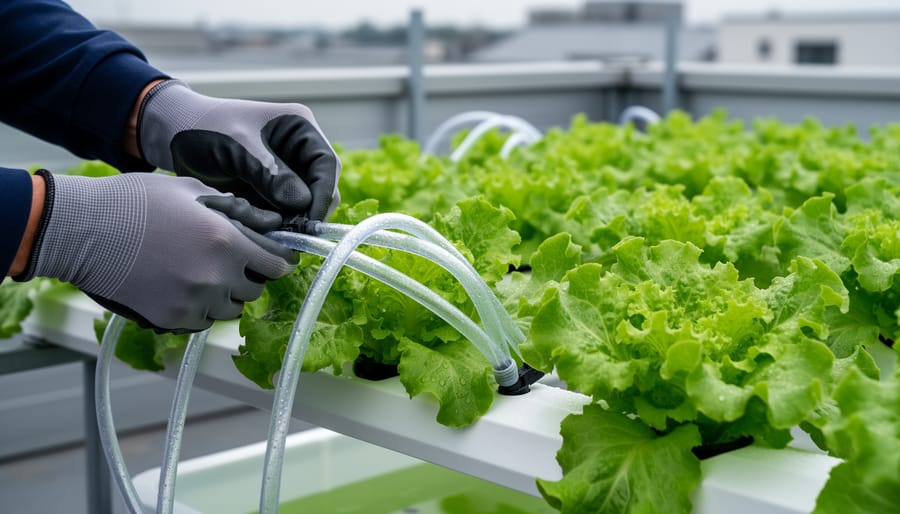
Sarah, a rooftop gardener in Chicago, realized her hydroponic lettuce system taught her more than plant science. “I learned to walk away when the numbers weren’t right, to stick to my maintenance schedule even when I wanted shortcuts, and to recognize warning signs early,” she shared. Those same principles helped her approach leisure activities with clear boundaries and intentional planning.
This article explores how the structured thinking you already use in your grow room offers a framework for balance in other areas of life, grounding abstract concepts in the tangible routines that make your garden thrive.
The Balance Principle: Why Excess Kills (Gardens and Budgets)
Nutrient Burn vs. Budget Burn
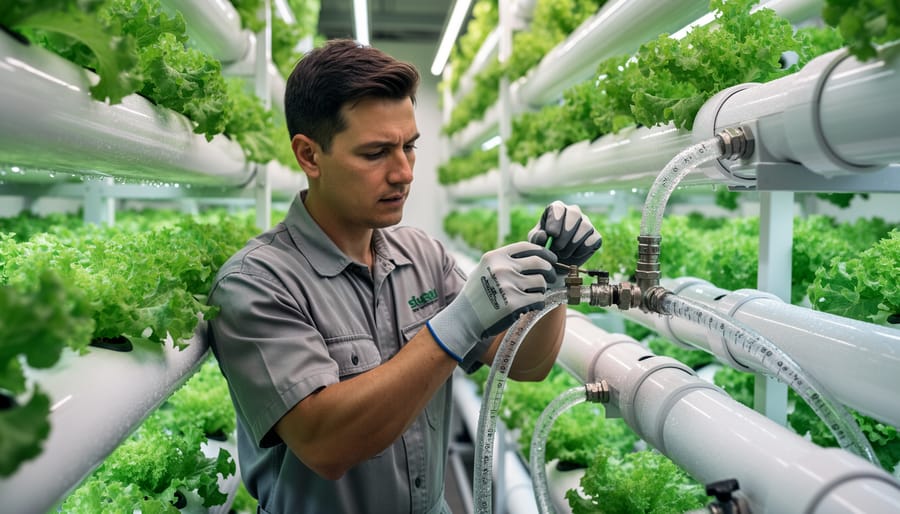
Every hydroponic gardener has seen it: crisp brown edges on leaves, twisted new growth, a plant that looks burnt despite never facing direct heat. That’s nutrient burn, the result of overloading your system with fertilizer. You added more because you wanted faster growth, bigger yields. Instead, you’ve created a toxic environment where salt concentrations damage root cells and stunt development. The same thing happens when someone chases losses at an online casino, they deposit more thinking it’ll turn things around, but they’re actually deepening the damage to their financial health.
The parallel is precise. With hydroponic strawberries you measure EC levels and follow feeding charts for a reason. Exceed those numbers by 20 percent and you’re looking at weeks of recovery, if the plant survives at all. Exceed your entertainment budget by 20 percent repeatedly and you’re borrowing from grocery money or skipping bills. Both situations stem from the same impulse: believing more input equals better results. It doesn’t. In hydroponics, we learn this through dead plants. In personal finance, the lesson comes harder.
Setting Your Limits Before You Start
Before you pour your first nutrient solution or place your first bet, you need a plan. In hydroponics, experienced growers calculate their feeding schedule based on plant type, growth stage, and system capacity, not by eyeballing it or hoping for the best. The same principle applies to entertainment budgets: decide in advance what you can afford to lose, then treat that limit as absolutely non-negotiable.
Start with your baseline. For plants, research the specific nutrient requirements of what you’re growing, lettuce needs vastly different EC levels than tomatoes. For gaming, calculate what you can genuinely afford from discretionary income after all essentials are covered. Write these numbers down. The act of recording your limits makes them real and harder to rationalize away later.
Create a simple schedule you’ll actually follow. Many hydroponic failures happen when growers wing it or chase quick fixes with extra nutrients. Similarly, entering any gaming session without predetermined time and money limits is planning to fail. Set clear boundaries, “I’ll check my reservoir every three days” or “I’ll spend £20 on Friday nights only”, and programme reminders if needed. Your future self will thank you for the structure.
Monitoring and Measurement: The Daily Check-In

Tools That Keep You Accountable
The right tools make accountability automatic rather than aspirational. In hydroponics, you need reliable meters, a quality pH pen and EC meter form your baseline defense against nutrient disasters. Digital models with calibration reminders keep readings accurate, while smartphone apps like HydroNote or GrowBuddy let you track patterns over weeks. When you graph your pH drift, you spot problems before your plants show symptoms. Many growers also invest in continuous monitoring systems that alert you when readings stray outside your set parameters, eliminating the “I forgot to check today” excuse.
For entertainment activities, modern platforms offer built-in reality checks, pop-up reminders of time spent and money wagered, that function like your pH alarm. Deposit limits work as pre-set boundaries you establish when thinking clearly, not in the moment. Session timers force breaks, similar to how automated systems prevent your grow lights from running 24/7 even if you’d forget to switch them off.
The parallel holds: both your indoor hydro supplies and responsible gaming tools work best when you choose them deliberately and actually use them. Your LED lighting choice matters, but only if you set the timer correctly, same principle applies to limit-setting features.
When the Numbers Tell You to Stop
When your hydroponic system shows an EC reading climbing past your target range, that’s not a suggestion, it’s a red flag demanding action. The same applies when you’ve hit your predetermined spending limit for entertainment: the number itself is the stop sign.
In hydroponics, ignoring elevated nutrient levels leads to leaf burn within days. You’ll see crispy edges, yellowing, and stunted growth. The fix? Flush the system immediately with pH-balanced water and start fresh. Waiting “just one more day” to see if it corrects itself only compounds the damage.
With recreational spending, the warning signs are equally clear. If you’re checking your account balance anxiously, justifying “one more session,” or feeling that familiar stomach-drop when you log in, you’ve crossed from entertainment into problem territory. These aren’t subtle hints.
The corrective action is identical in principle: stop the input, reset, and return to baseline. In your garden, that means flushing and remixing. With entertainment, it means logging out, activating cooling-off periods through account settings, and taking a genuine break, not five minutes, but days or weeks.
Trust the measurements. They’re designed to protect what you’re cultivating, whether that’s plants or peace of mind.
Creating Sustainable Systems You Can Maintain
The Time Investment Reality
A realistic hydroponic setup demands fifteen to thirty minutes daily for checking pH, topping up reservoirs, and inspecting plants, plus occasional deep-cleans and nutrient changes. Similarly, recreational gaming should occupy only your genuine leisure time, never bleeding into work hours or family commitments. When you catch yourself setting alarms to check your plants at midnight or refreshing a casino app during dinner, you’ve crossed into unhealthy territory. Both activities should enhance your life, not dominate it. Start small: beginners often benefit from simple systems and these outdoor hydro tips that reduce daily fuss, just as setting strict session timers prevents entertainment from becoming an obsession. If you’re regularly sacrificing sleep, skipping meals, or canceling plans to tend either pursuit, step back immediately. The goal isn’t perfection, it’s sustainability. A thriving garden and balanced recreation both fit comfortably into your existing routine without crowding out what truly matters.
Building Support Systems
Nobody succeeds in hydroponics completely alone. When your plants show strange symptoms or your system crashes at 2 AM, you need experienced growers who’ve seen it before. The same applies to any activity where things can spiral, having people who understand makes all the difference.
Join hydroponic communities before you need them. Active forums like r/Hydroponics or specialized Facebook groups offer troubleshooting help, but more importantly, they normalize asking questions. You’ll notice patterns: growers who share their failures learn faster than those who only post successes. This transparency builds better habits.
For gaming activities, most reputable platforms now partner with organizations like GamCare or the National Council on Problem Gambling. These aren’t just crisis hotlines, they offer self-assessment tools and strategies before problems develop. Real gardener story: Marcus, who grows lettuce in his basement, started using a gaming site’s reality-check feature after recognizing he was ignoring his pH meter notifications. “If I can set timers for nutrient changes, I can set them for screen time,” he says.
Reach out when you’re explaining away concerning behavior, whether it’s why you skipped checking your reservoir again or why you’re staying up later than planned.
Real Stories: When Gardeners Learn Balance
Maria’s hydroponic lettuce garden taught her a lesson she never expected. After losing three crops to nutrient burn from her impatience with feeding schedules, she finally learned to trust the process and stick to her measurements. “I kept thinking more nutrients would make them grow faster,” she admits. “But I was just poisoning them.” That hard-won discipline spilled over into her weekend poker nights with friends. She started setting a strict budget before sitting down, treating it exactly like her nutrient schedule, no adjustments mid-game, no matter how tempting.
James, who runs a small basement hydroponic setup in Manchester, describes his early days as “chaotic obsession.” He’d check his plants every hour, constantly tweaking the system, convinced he could optimize faster. His yields suffered, and so did his sleep. Learning to step back, trust his timers, and limit check-ins to twice daily transformed both his harvest and his mindset. When he discovered online slots during lockdown, he applied the same rules: set times, fixed limits, and absolutely no checking in between. “If I can’t trust my tomato system to run without me hovering, I’ve built it wrong,” he says. “Same applies to how I spend my Friday nights.”
These gardeners discovered something valuable: the patience required to wait for seedlings to establish roots, the discipline to measure before adding anything to the reservoir, and the wisdom to recognize when a system isn’t working translates directly to making balanced choices everywhere else. Their gardens became unexpected training grounds for life skills they didn’t know they needed.
Practical Tips for Maintaining Balance
Whether you’re adjusting your reservoir solution or deciding how much time to spend on entertainment, building sustainable habits requires the same fundamental approach. The gardener’s mindset, patient, observant, and systematic, serves as an excellent framework for maintaining balance across different parts of your life.
Start by documenting everything. Keep a log of your hydroponic system’s pH, EC readings, and nutrient additions, and apply the same tracking discipline to your recreational time and spending. When patterns become visible on paper (or in an app), problem areas reveal themselves before they escalate. Many gardeners discover that the simple act of writing down their actions creates natural accountability.
Schedule dedicated time blocks rather than fitting activities into random gaps. Treat your hydroponic maintenance as a non-negotiable appointment, say, 30 minutes each morning before work, and apply the same structure to entertainment. When something has defined boundaries, it can’t gradually consume your evening without you noticing.
Here’s a practical process for establishing limits that stick:
- Identify your non-negotiable commitments first, work, family time, essential tasks, and see what’s genuinely left over
- Set a weekly budget for both time and money on optional activities, making it specific (e.g., “3 hours and £20 maximum”)
- Use automatic stops, timer apps for duration and deposit limits for spending, so you don’t rely on willpower alone
- Review your logs every Sunday and adjust if you’ve consistently hit your limits, which signals you may need stricter boundaries
- Share your limits with someone you trust who can check in periodically and help you stay honest
The most successful gardeners treat their plants as living systems that need consistent care, not occasional attention bursts. Apply this same philosophy to everything else: small, regular investments of time and attention prevent the crisis situations that demand dramatic intervention later.
The precision you’ve developed as a hydroponic gardener, checking pH levels before breakfast, adjusting nutrients in measured doses, recognizing when something’s off before it becomes a crisis, these aren’t just gardening skills. They’re life skills disguised as hobby habits.
Every time you’ve resisted the urge to add “just a bit more” fertilizer, you’ve practiced restraint. When you’ve stuck to your monitoring schedule even on busy days, you’ve demonstrated commitment to sustainable systems. That same mindfulness applies whether you’re deciding how much time to spend gaming, how much to invest in new equipment, or how to balance any resource-intensive activity.
Your garden teaches you to think in systems, not impulses. It rewards patience over quick fixes and consistency over intensity. These lessons extend far beyond your grow room.
The discipline that keeps your plants thriving, the daily attention, the honest assessment, the willingness to adjust course, works the same magic everywhere else. Trust the instincts you’ve honed among your roots and reservoirs. They know more about balance than you might realize.