
gardening

Tesselaar carpet roses: testing out new plant introductions

One of the fun aspects of being a professional garden addict is testing out plants. I recently was offered the opportunity to test out three new varieties of carpet roses developed by Tesselaar plants. This is an international grower headquartered in Australia with the U.S. head office located in California. It’s easy to forget that all those lovely plants you buy at your favorite garden center were sought out from native plants discovered growing in some part of the world, tested and often bred for more reliable and showy performance, then trialed over and over for years by breeders and other experts until they are finally produced in large enough numbers to be sold to the public. Testing can continue even after being released to market.

When I received my three carpet roses to test, I was pleasantly surprised to see how strong and healthy they were when they arrived by mail, packaged in clear plastic bags. They were good size, well rooted and in excellent condition. Many shipped plants arrive looking less than their best and I was pleased to see robust plants to test. The roses also came with complete and thorough instructions – including several packets of rose food. I was given every opportunity for success. My plants were the Flower Carpet® Amber, Scarlet, and Pink Supreme varieties and I chose a part of my garden where each of the colors would blend well with existing plantings. 

I’m not doing a scientific testing (as growers do), but take the role of the average home grower. Since working with living things is never an exact science, I like to choose a variety of locations in my garden to see which plants are happiest where. Plants are living things and each is an individual so there will always be some variability and there can always be an issue with the spot chosen – a nibbling underground pest or a spot of previously damaged soil. That’s why it’s important to test samples in slightly different areas to get a better read on how happy that plant will be in your landscape.

Following proper instructions each plant was set into an ample hole, bare roots spread around a cone of soil inside the hole, filled and watered thoroughly. Soaking the bare roots of the plant before planting and keeping soil regularly moistened after planting are essential to success. Here you can see the process of planting.


Early spring is the best time for planting, but these carpet roses can be planted pretty much year round in warmer climates and during frost-free months elsewhere. They are very versatile plants; adaptable, neat, disease resistant, long flowering, low–growing (2 -3 feet tall), easy to care for (no fussy pruning) and drought-tolerant. When I design gardens, I want to know I am selecting not only the best look for the effect I want, but choosing plants that the homeowner will find easy to maintain. 

It’s been only two months, but the Amber are already well leafed out and bushy. They should be flowering shortly. The pinks are also doing well with one a bit smaller after being pruned by an unwelcome rabbit. The Scarlet have been much slower than the other two varieties, but are finally beginning to leaf out.

All roses were planted in similar conditions and similar exposures. All six plants arrived in fine condition so it seems the color variety does make a difference. I will be interested in seeing if the speed of settling-in remains consistent with the quality of mature growth. I’ve found sometimes a slow starter can make up for lost time once it’s established.

The fact that all the carpet roses are doing fine leads me to feel the testing of these Tesselaar plants has been a resounding success. As a landscape designer, that means I can feel confident about designing the Flower Carpet® Amber, Scarlet, and Pink Supreme roses into my client’s gardens.

Look for these super plants at your favorite garden center, home stores and regional chains.

One more need-to-own tool for the gardener

If you pot up a lot of plants you probably know how awkward it can be just getting soil from the bag into the pot. If you have a new bag to open, you’ve probably got your gloves on and nothing sharp on hand to tear through that stretchy, resistant plastic. Then, once you’ve dealt with the bag, there’s the challenge of removing the soil or compost without spilling it all over the place. You can try balancing soil on a trowel as it spills back into the bag or scatters before you get it to the pot — or you can get those gloves again and grab it by the fistful. You’ll now be ready to start potting — assuming you aren’t trying to RE-pot plants stuck in old, stiff soil that needs to be scooped out first.

If any of this sounds familiar, you might be wondering why isn’t there a tool to make all this easier? Well, there is. It’s a unique cross between a garden scoop and a trowel designed by gardening expert Shawna Coronado and produced by Dewit Tools.

The half-round scoop is big and holds ample soil if you are digging it out of a bag. A notch just under the handle on the hand-forged carbon steel curved blade allows for cutting through resilient plastic bags. A non-slip wooden handle is firmly attached and offers a solid grip on the half-can-shaped trowel that not only holds impressively large scoopfuls of bagged material, but cuts nicely into the hardened soil of an existing planted container when it is necessary to remove the hardened or root fiber-filled old soil.

I have been using this new tool for about six months and it has simplified the job of potting considerably. To the best of my knowledge, there is nothing like it available in stores. And if you are an enthusiastic gardener like I am, the addition of any tool that makes the job of potting and repotting easier is very welcome. I would recommend adding this tool to the arsenal for any gardener who enjoys making potting easier.

You can find this handy new tool at: http://www.gardentoolcompany.com/potting-scoop-by-dewit/

How to Care for Rosemary Christmas Trees


For a number of years, rosemary Christmas trees have become popular as replacements for the traditional Christmas tree. Little wonder the idea works well: these plants are small and fit comfortably on a tabletop, smell delightful, are studded with little blue flowers, and you can even pinch off a few leaves for seasoning tasty dishes in the kitchen.

But a rosemary Christmas tree is not a tree at all. It is simply a carefully pruned shrub. So, unlike the living Christmas tree bought in a large pot, it will not grow into a tree if planted outdoors. It will also be difficult to keep in a neat, conical shape over the coming year so you can use it again next year. You can do it, if, after the holiday season is over, you grow it on by placing it outdoors in full sunshine and make sure you keep it carefully pruned on a monthly basis. It will essentially be a topiary in a pot like a boxwood or other sculpted shrub.

On the other hand, rosemary makes a wonderful sprawling shrub for a sunny part of the garden where the soil is not too rich and you have excellent drainage. You can grow it outdoors in a large pot in full sun if you don’t have the proper drainage, soil, sun, or protection from hard frost in the garden itself.

During the holiday season give your rosemary Christmas tree the brightest window you have for good light. Don’t over-water. Let the soil dry fully down to an inch or two before watering again. Use a tray beneath to catch water when it drains through but don’t leave the pot standing in water.

After the holidays, set your rosemary Christmas tree outdoors in a shaded area for a week or two before moving it into sun if you are going to grow your rosemary on outside. If you live where winters are likely to fall below the 20′s Fahrenheit, you will have to keep the rosemary indoors in the sunniest spot you can find until temperatures outside warm in the spring.

Rosemary is a natural shrub with a somewhat sprawing habit. It accepts some severe pruning when it is young, but as it grows, it becomes woody and rangy. Enjoy your young plant as a Christmas tree, then let it grow on to its natural form. Rosemary is not only an attractive evergreen shrub, but it is perfect in the herb garden. Snip off branches to make pot-pouries, add to sachets or collect leaves to season meats, potatoes or other favorite dishes year round.

Basic gardening terms and definitions: Deciduous

Deciduous plants are those that drop their leaves – usually in the winter months. All plants slow growth when the days grow shorter. Evergreens retain their foliage even though they become partially dormant in less favorable weather conditions. Deciduous plants divest themselves of foliage and regrow anew after their rest period is over. There are advantages to both. Evergreens will shed a little foliage all year round, while deciduous plants lose it all at once.

How to grow edible onions (Allium)

Bulb onions (Allium cepa) are easy to grow and are a great crop to plant in the vegetable garden. These are the common round onions we know from the grocery store as opposed to non-bulb onions like scallions or leeks. Scallions, ‘bunching onions’, or ‘green onions’ are those long thin onions that do not form big bulbs at the root.  And leeks grow tall with big flat green leaves and an elongated white stem that is the prime part for use in cooking.  There are a number of other onion plants you can also grow that form small bulbs or even stay tiny and form clusters like chives.  Onions are tasty and healthy foods that do not take up a lot of space in the vegetable garden.  All kinds grow well in the Southern California area if they are given reasonably rich soil and plenty of water.  Here are some tips on how to plant onions in the vegetable garden.

Onions are usually planted in the spring or autumn. They are commonly started by one of three methods: seed, seedlings or sets (for bulb onions).  You can actually plant them during the winter in any of these forms, too, if you live in a mild winter climate.

Seeds of bulb-forming onions do best in an area with a long summer like ours because they have time to form good-sized globes. This is the most inexpensive way to plant them. Seed them in rows and thin them to about one plant for each 4″. Unlike some other parts of the country, we don’t have a problem with the onion fly here.  You can choose from many different varieties of reds, yellows and whites.  The standard yellow varieties will produce onions with the longest storage capabilities.

Seeds are also easy to grow for other types of onions.  Leeks (Allium ampeloprasum var. porrum) are best started in a small area where the seedlings can all reach 4 – 8” tall before being transplanted.  The best way to transplant leeks is to trim the roots of the seedlings and drop each plant in a 6 – 8” hole made by a dibbler or other stick-like tool.  Do not fill in the hole with soil, but do water the young plants in.  The hole will help blanch the stems as the leek seedlings grow bigger and fill in the space.

If you buy young plants of any kind of onion to transplant from pots or 6-packs or you start your seeds indoors, planting instructions are pretty much guided by the same rules as seeding directly in the ground. Plant them about 4 – 6″ apart in rows. Leeks can also be grown at the same spacing, but they will be easier to dig when ready if you leave a little more space between plants or larger spaces between rows so you have more room to insert the shovel.  For all onions transplants other than the leek, plant just the rooted base, leaving the long thin grass-like tops free of soil.  In Southern California, autumn is the best time to plant seeds since you want them to be strong enough to over-winter and have a long season to grow. Spring is the best time for transplants.  But you can also plant either at any time of the year, though the cooler seasons are better than in the heat, especially in the hot, inland areas.

Planting from sets is probably the most universally easy and safe way to grow dry bulb onions. You can buy the little bulbs (that were grown from seed already) from garden centers in autumn, winter and spring. These, too, should be spaced in rows at 4″ – 6″ intervals. Just press the very bottom of the bulb into the soil: don’t bury it.  You may have to replant some little onions occasionally as they can get dislodged by birds.

Plant your bulb onions, leeks and scallions in rich soil and full sun and make sure they get regular water. Onions are easily grown and a great staple of the home vegetable garden. I like to inter-plant my bulb-forming onions with lettuce since the lettuce will be cropped by the time the weather starts to warm and the bulbs begin to swell. This way I get more growing out of a limited space.  Scallions make nice border plants in the vegetable garden.  If you don’t harvest all your scallions or green onions, the remaining plants will form clumps and can be grown on from one year to the next. 

Although I haven’t seen it mentioned elsewhere, leeks that go to seed (flower) or bolt before you can crop them are also best left in the ground.  The flower shoot that grows up inside the long stem will ruin the leek texture so I’d advise not cropping the plant at all.  If you let the blooming leek remain and die back in the summer, you will get one or more plants sprouting for next year.  The second year’s leeks will likely be a bit thinner, but will still be great for cropping and eating – so long as you harvest them before they start flower spike formation.

You may also want to plant chives.  The regular chive has a pretty pink flower and makes a decorative, low profile plant.  The garlic chive has a flat leaf and taller panicles of white flowers that are very decorative in the garden.  Both types of onion chive offer leaves to be snipped for salads or cooking during most of the year except the in middle of the winter when clumps of the miniature bulbs die back into dormancy.

These are the most common kinds of onion to grow in the garden.  They are heavy feeders and like lots of organics dug into the soil and regular feeding.  Give them full sun and they will grow easily with little likelihood of pest damage.  You can also try some other members of the onion family like Egyptian or Walking Onions, pearl onions, Italian round onions, shallots and garlic.  All are easy, tasty, nourishing and fun to grow!


Build a Vertical Garden or Living Wall

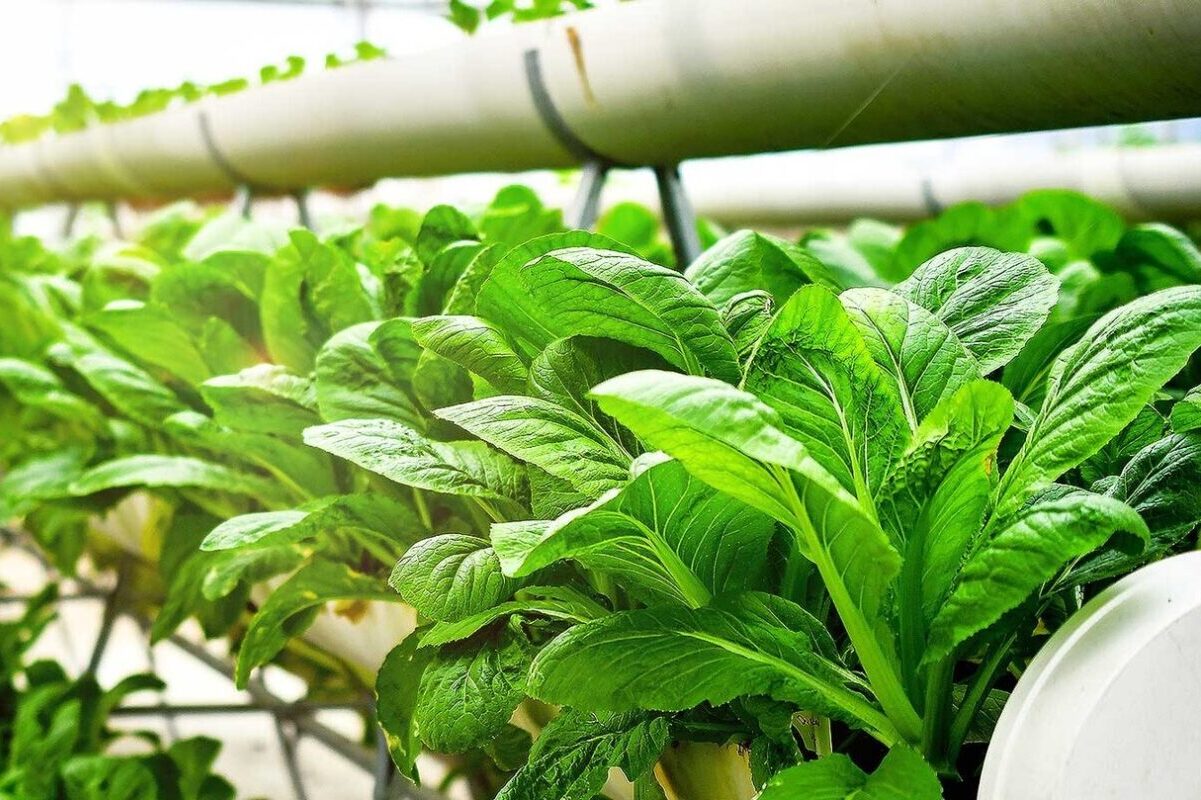
A new concept is to build up instead of out. You can actually create a garden that climbs up the wall of a building or a solid fence, or construct vertical panels covered with decorative plants. This is a landscaping technique that is catching on to design living surfaces, to increase insulation ecologically and to create lovely gardens in spaces ordinarily too small to sustain a typical flat garden.

The living wall is an ecological way use otherwise wasted surfaces while adding natural temperature controls for heating and cooling structures. But vertical gardening is also very decorative. This kind of garden actually is built UP a wall with the surface designed to be planted. Water naturally drains downward with gravity. As a result there is little waste of water.

Vertical gardens are built from scratch or from kits. Or you can build your own or have yours designed or constructed for you. There are many ways to design these living walls. They can be built up strong fencing – these structures are very heavy – up block, structural or retaining walls, or created on independent panels used either indoors or outdoors. Usually they are formed of steps or tiered pockets that will form footings for the plants to grow. When grown up the wall of a building or other structure, it is important that there should be an efficient waterproof lining between the planting area and the supporting structure to keep water from seeping into walls. Yet the living wall functions like a thick, insulating wall. There are construction and insulation similarities between the building of a green roof and the building of a vertical garden.

Walls can be planted with exotic plants in protected areas, cascading colorful trailing flowers, lush green foliage, drought tolerant plants, or even vegetables and fruits. Imagine the decorative effect you can get from planting a living wall or think about picking a dangling strawberry, snapping off a few tasty beans or popping a cherry tomato into your mouth as you pass by your vertical garden.

If you have a small space that would benefit by being able to grow your garden upward, or if you want a beautiful, ecological wall for natural insulation, or if you just like the decorative idea of growing your own vertical garden or living wall, check into building a vertical garden or living wall.

Winter watering in the SCV

It’s winter in the Santa Clarita Valley and our gardens are not growing the same as in the warmer months. That means winter watering in the SCV needs to be adjusted. Automatic watering systems cut down on work and things to remember, but they may not be your friend if you just set them once without regular adjustments throughout seasonal changes. In the winter the air is more moist, temperatures lower and most plants are dormant or at least semi-dormant so they don’t use the water they need when in active growth. That means if you leave your watering system the same as it is in the spring and autumn – or worse, the summer – you are wasting lots of water, encouraging weeds and fungus infections and paying much more than you need to for your water bills.

During December, January, February and March, even if we have winds or a heat wave, water evaporation is much slower than in other months. If there is a decent rain shower that delivers at least a tenth of an inch you can plan on a minimum of five days before lawns or garden will need extra watering in most SCV areas. A good rain storm that drops an inch or more can keep some soils moist for the next seven to ten days. Just because the soil looks dry on the surface does not mean there isn’t ample moisture under the surface. Before you let your sprinkler system spatter away precious water, dig down an inch or two to see if you really need to have your irrigation on.

One other way to make watering easier and more efficient is to get a smart irrigation controller. These are more expensive than regular water system timers but will pay for themselves over time by saving water and keeping plants healthy. Smart irrigation controllers automatically adjust with the weather to deliver the amount of water your SCV garden really needs.

Gardening gifts for chaparral gardeners

Whether you are looking for gifts for gardening friends and family for the holidays or for a birthday there are some gifts that will always be appreciated by the chaparral gardener. Gardeners love anything that will make their job more comfortable and fun. Most like something with an unusual twist so they can show it off. Here is a little list of some thoughts that make help you come up with ideas of your own for gifts.

For bigger budgets:

  • Greenhouses large and small allow more year round growing, especially with the extreme temperatures of the chaparral.
  • Big toys: mowers, edgers and other power tools make the big jobs easy.

Go green:

  • Solar panels and underground water storage tanks are ideal for the Eco-friendly gardener.
  • Compost bins come in a number of sizes and shapes and make garden clean-up easier.
  • Look for little solar powered gadgets like lights, pond aerators and pest deterrents that are solar powered for sustainable gardening.
  • Buy a smart irrigation controller to save the bother of turning on and off systems and to help lower water bills in our dry chaparral summers.

For the imaginative:

  • Miniature gardens allow creative gardeners to design and grow the smallest of spaces – even if they have no garden.
  • Pond kits and fountains make wonderful decorations and add cool effects in hot months.
  • Gadgets like electric digging tools, garden hose holders or power clippers can be fun and helpful.
  • Herb gardens: most grow well in our full sun, hungry soil and warm temperatures.

The little stuff:

  • Moo Poo tea is the latest way to organically feed indoor and outdoor plants organically.
  • Books offer something on any subject a gardener could wish.
  • Garden shoes keep feet from tracking in summer garden dust and winter mud.

Things you might not have considered:

  • Look for artistic garden clothing or fun tee shirts.
  • Consider a visit to one a public garden as a gift of relaxation and a chance to share and learn garden ideas that are perfect for the chaparral landscape.
  • If you know your plants, offer the gift of a rare plant or interesting conversation piece.

The easy way:

  • If in doubt, buy a gift certificate to your gardener’s favorite garden center, mail order catalog or website and let your friend or family member do the choosing.
  • Hire a professional garden designer or garden consultant for the gift of a landscape/garden consult.


5 easy ways to enrich your life gardening

UCanGrowThat 2Each year offers fifty two weeks filled with opportunities to connect with nature through gardening. It’s easy to get busy with all the daily busyness that creates pressure and stress. And in our rush-rush, hi-tech world all too often we lose any connection with who and what we are in the scheme of things – and lose touch with what really can make us feel happy and fulfilled.

Gardening reminds us that everything alive is interdependent on other life and on the surrounding environment of nature. So if we carve a little time out of each of those fifty two weeks to play in the garden, planting and watching how things grow, we can reconnect with some of the most soul-‘rooting’ lessons in life.

Whether you have a yard, a patio, a balcony or just a pot, some soil and a sunny window, here are five ways you can help fill your weeks this year with fun, easy and enriching gardening projects.

  1. Grow an herb garden. You can plant all your favorite herbs in a sunny spot in your garden, set   up a colorful window box or hang boxes along a balcony railing or even grow your favorite herb in a decorative pot in a sunny indoor windowsill.
  2. Plant a tree. At the beginning of each New Year, plant out your living Christmas tree. Plant it where it will have room to grow to its full, mature size. Or buy a bare root tree for your garden. In winter you can get the best selection and price on young trees by purchasing them free of heavy soil-filled pots. Decorate your landscape with a flowering tree or a cooling shade tree. If you don’t have landscape space for a large tree cultivate a small-growing tree in limited space. Or learn about the art of bonsai to grow a tree in a container if you don’t have garden space at all.
  3. Explore your local native plants. Design out a whole native garden to attract birds and butterflies or plant part of your landscape for beauty and minimum maintenance by using sustainable plants that are at home in your local environment. Even small spaces can house native plants and you can grow them with no fuss and using your own soil.
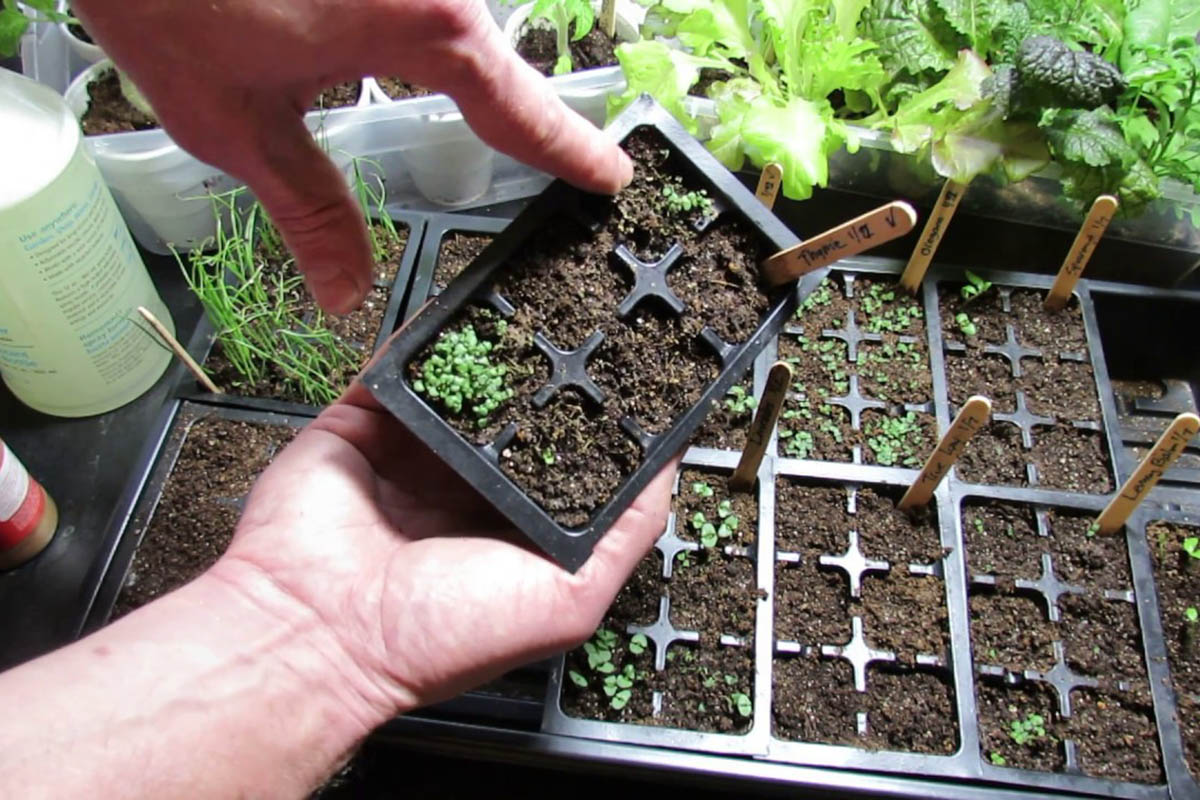
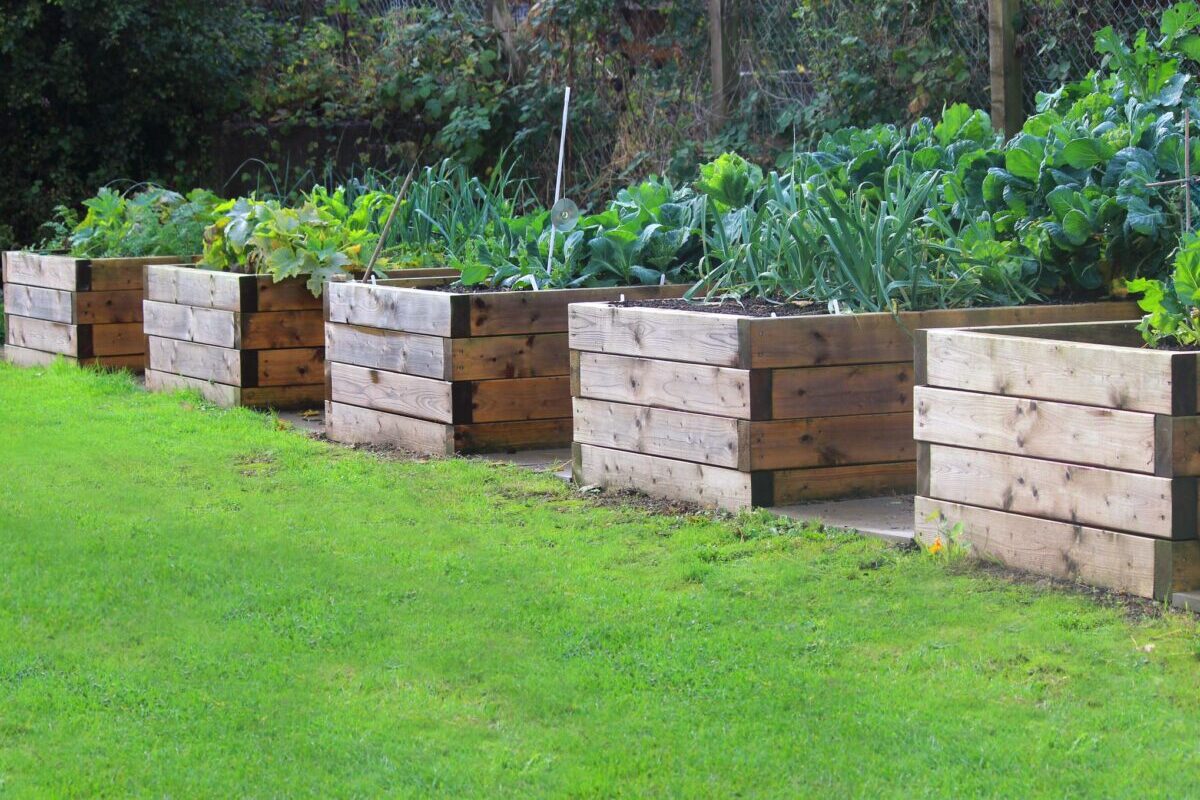
  4. Grow your own food. Whether you construct raised vegetable gardens, slip edibles between ornamental plants in the flower garden or plant a tub in a small space with your favorite fruits and vegetables, you can always find space to grow at least one or two tasty plants. Nothing is as nourishing or flavorful as fresh-picked, home-grown food.
  5. Go miniature. Join the growing ranks of gardeners who express their landscaping creativity all in a container. Miniature gardens or fairy gardens allow you to design any theme or environment with diminutive-growing plants tiny furniture, little structures, stones (that are a lot lighter to move than real boulders) and anything you want to build with supplies provided by nature or a craft shop.

As you can see, there are many ways you can garden in the coming year no matter where you live. Make your life more fun and let nature teach you about relaxation and the miracle of growth while adding gifts for the kitchen, food, exercising your imagination and creativity and more. You can enrich your life by taking just a little time each week to partner with nature in gardening. You can grow that. You can grow lots of things. Do you have more suggestions to add to the five presented here? If so, please leave your ideas in the comment box below.

Basic gardening terms and definitions: Annuals

Annual flowers are often mentioned in garden talk. Literally the term defines things that last for a year. Annual plants grow for a year or less from germination to death. Some germinate, grow, flower and set seed in a single season or less. Annuals do not die down or go into a semi-dormant rest period then continue to grow as do biennials or perennials. They race through their short lives growing quickly, often flowering profusely so they can set as many seeds as possible before they fade away. This is why trimming faded flowers before they can set seed – dead-heading – keeps them in bloom longer. Annuals are good ways to add lots of color quickly to a garden. They also make excellent fillers for empty spaces in newly planted gardens while larger-growing plants are still small.


Amazon Carousel Widget

Search Our Site

Feel free to search for articles on gardening, plants, news, landscape design, sustainable and eco-friendly products and tips, construction ideas, horticulture, garden events and more.

Garden/Landscape Articles